What Is Normal Blood Pressure for Your Age? A Clear, Updated Guide
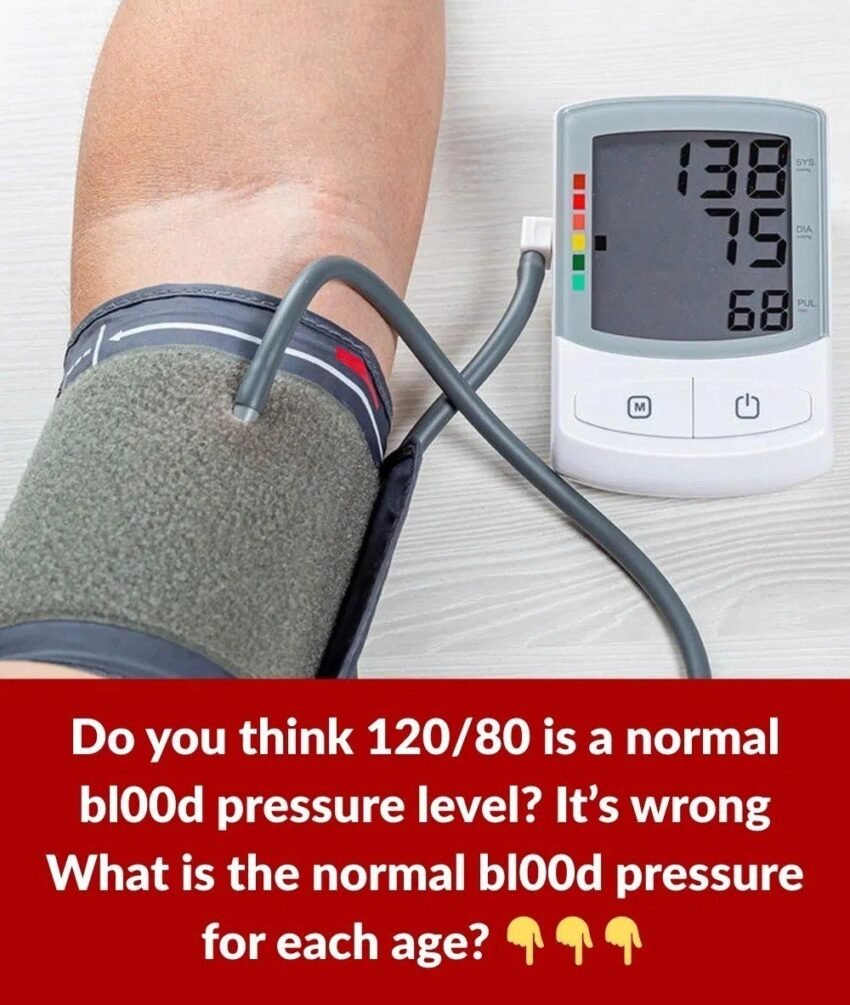
Blood pressure is a measure of the force of blood pushing against the walls of your arteries. Understanding what’s considered normal for your age is important for heart health and preventing complications like heart disease or stroke.
Understanding Blood Pressure Readings
Blood pressure is measured in millimeters of mercury (mmHg) and recorded as two numbers:
- Systolic pressure: the top number, showing the pressure when your heart beats
- Diastolic pressure: the bottom number, showing the pressure when your heart rests between beats
Example: 120/80 mmHg means 120 systolic and 80 diastolic.
General Blood Pressure Categories
| Category | Systolic (mmHg) | Diastolic (mmHg) |
|---|---|---|
| Normal | <120 | <80 |
| Elevated | 120–129 | <80 |
| Hypertension Stage 1 | 130–139 | 80–89 |
| Hypertension Stage 2 | ≥140 | ≥90 |
| Hypertensive Crisis | >180 | >120 |
Blood Pressure by Age
While the standard “normal” is often cited as 120/80 mmHg for adults, blood pressure tends to rise slightly with age. Here’s a guideline:
- Children (6–12 years): 90–120 / 60–80 mmHg
- Teenagers (13–19 years): 110–130 / 65–85 mmHg
- Adults (20–39 years): ~120/80 mmHg
- Adults (40–59 years): ~125/80 mmHg
- Older adults (60+ years): 130/80 mmHg may be acceptable, but goals depend on overall health
Note: These are general ranges. Individual targets may differ based on health conditions, medications, and a doctor’s guidance.
Tips for Maintaining Healthy Blood Pressure
- Eat a balanced diet
- Reduce salt, sugar, and processed foods
- Increase fruits, vegetables, and whole grains
- Stay physically active
- 150 minutes of moderate exercise per week helps regulate blood pressure
- Maintain a healthy weight
- Excess weight increases strain on the heart
- Limit alcohol and avoid smoking
- Both can elevate blood pressure
- Monitor regularly
- Home monitoring helps track trends and detect changes early
When to Seek Medical Advice
- Persistent readings above 130/80 mmHg
- Sudden spikes above 180/120 mmHg (hypertensive crisis)
- Symptoms like headache, dizziness, chest pain, or shortness of breath
Regular checkups are essential because high blood pressure often has no obvious symptoms but can cause long-term damage.
Conclusion
Normal blood pressure depends on age, overall health, and individual risk factors. Understanding your numbers and maintaining a heart-healthy lifestyle are key to preventing complications. Always consult a healthcare provider for personalized guidance.