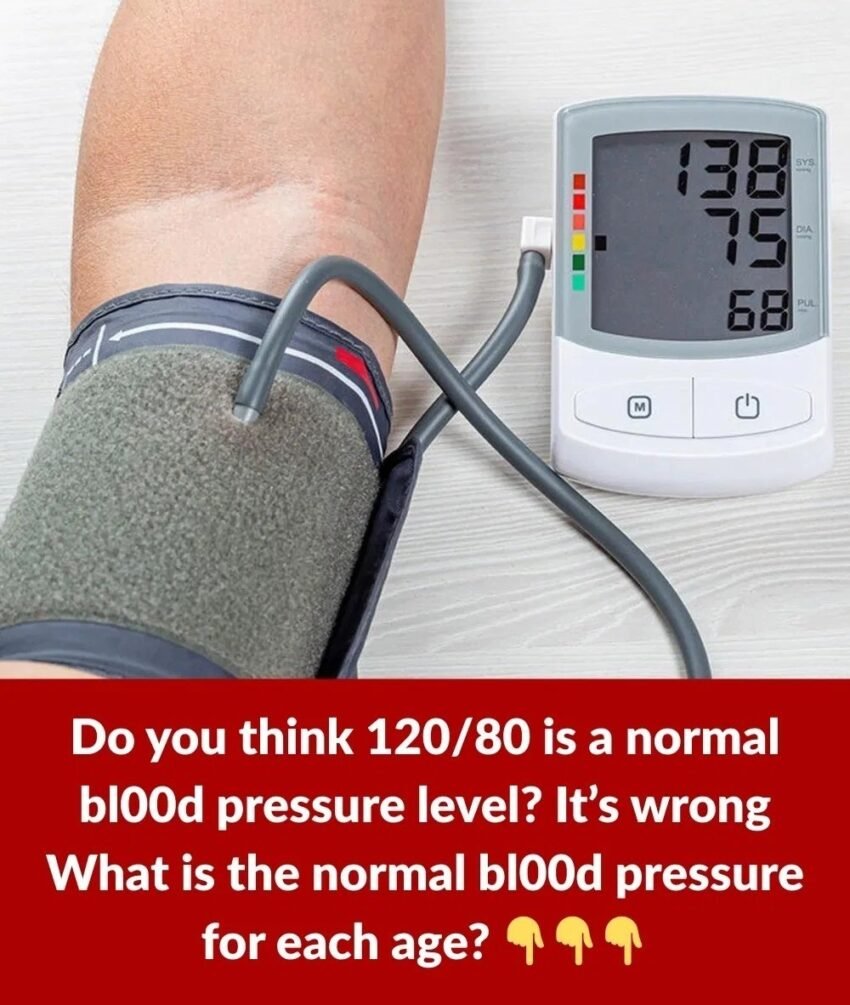
What Is the Normal Blood Pressure for Each Age?
Blood pressure (BP) is the force of blood pushing against the walls of your arteries. It is measured in millimeters of mercury (mmHg) and recorded as two numbers:
- Systolic pressure (top number): Pressure when the heart beats
- Diastolic pressure (bottom number): Pressure when the heart rests between beats
Normal blood pressure varies slightly by age, but general medical guidelines apply to most healthy individuals.
Normal Blood Pressure by Age Group
Infants (0–12 Months)
- Normal range: 75–100 systolic / 50–70 diastolic
Blood pressure in infants is naturally lower and gradually increases as they grow.
Children (1–12 Years)
- Normal range: 90–110 systolic / 55–75 diastolic
In children, blood pressure depends on age, height, and sex. Pediatricians use growth charts to determine healthy levels.
Teenagers (13–19 Years)
- Normal range: 100–120 systolic / 65–80 diastolic
By adolescence, blood pressure begins to resemble adult values.
Adults (20–59 Years)
- Normal (ideal): Less than 120/80 mmHg
- Elevated: 120–129 systolic and less than 80 diastolic
- High blood pressure (Hypertension Stage 1): 130–139 systolic or 80–89 diastolic
- Hypertension Stage 2: 140/90 mmHg or higher
For most healthy adults, around 120/80 mmHg is considered optimal.
Older Adults (60 Years and Above)
- Target for many adults 60+: Below 130–140 / 80–90 mmHg
Doctors may allow slightly higher readings in older adults depending on overall health, frailty, or medical conditions. Treatment goals are individualized.
Quick Reference Table
| Age Group | Normal Blood Pressure |
|---|---|
| Infants | 75–100 / 50–70 |
| Children | 90–110 / 55–75 |
| Teens | 100–120 / 65–80 |
| Adults | Below 120 / 80 |
| Seniors | Below 130–140 / 80–90 |
Important Notes
- Blood pressure naturally fluctuates throughout the day.
- Stress, caffeine, activity, and illness can temporarily raise readings.
- A single high reading does not always mean hypertension.
- Consistently high readings require medical evaluation.
When to See a Doctor
Seek medical advice if:
- Your readings are consistently above 130/80 mmHg
- You experience chest pain, shortness of breath, or severe headaches
- Your blood pressure is higher than 180/120 mmHg (medical emergency)
Final Thoughts
While blood pressure tends to increase slightly with age, maintaining healthy levels is important at every stage of life. Regular monitoring, a balanced diet, physical activity, and routine medical checkups help prevent complications such as heart disease and stroke.
If you would like, I can also provide tips on how to naturally maintain healthy blood pressure.