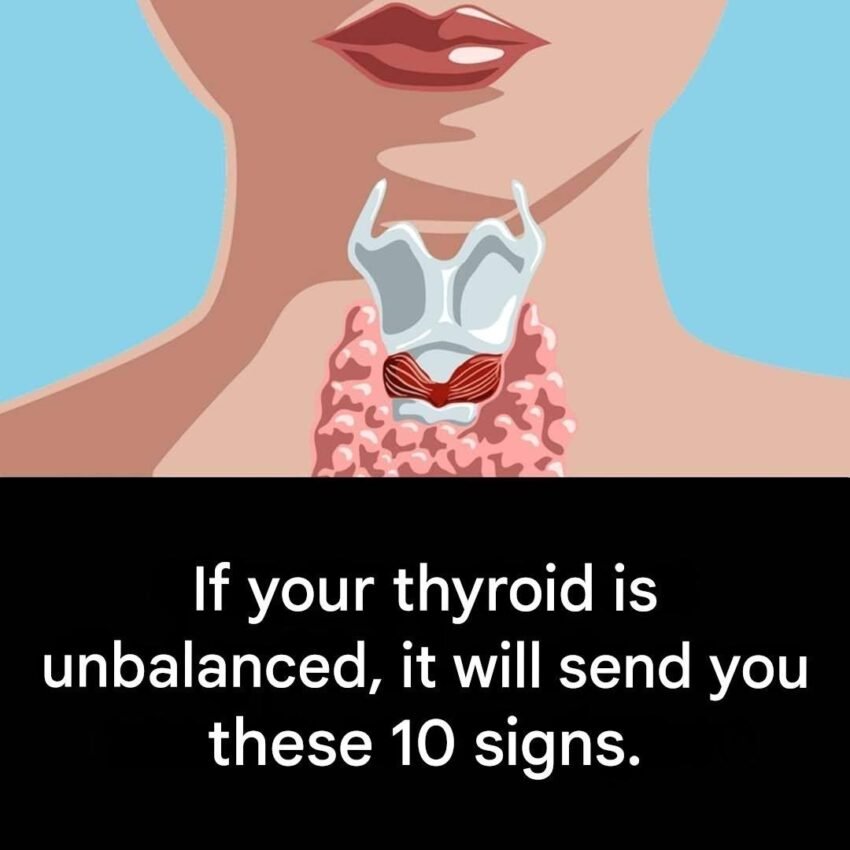
The Telltale Symptoms of a Thyroid Disorder
The thyroid is a small gland located in the neck that produces hormones essential for regulating metabolism, energy, body temperature, and many other bodily functions. When the thyroid is overactive (hyperthyroidism) or underactive (hypothyroidism), it can affect almost every system in the body. Recognizing the symptoms early can help with timely diagnosis and management.
Common Symptoms of Hypothyroidism (Underactive Thyroid)
Hypothyroidism occurs when the thyroid produces too little hormone, slowing down the body’s metabolic processes.
-
Fatigue: Persistent tiredness despite adequate sleep
-
Weight Gain: Unexplained weight gain even without changes in diet
-
Cold Sensitivity: Feeling unusually cold compared to others
-
Dry Skin and Hair: Skin may become rough and hair brittle; hair loss can occur
-
Constipation: Slowed metabolism often leads to digestive sluggishness
-
Depression or Mood Changes: Low thyroid hormone can affect mood and concentration
-
Swelling of Face or Extremities: Puffiness, particularly in the face, hands, and feet
Common Symptoms of Hyperthyroidism (Overactive Thyroid)
Hyperthyroidism occurs when the thyroid produces too much hormone, speeding up the body’s metabolic processes.
-
Weight Loss: Sudden, unexplained weight loss despite normal or increased appetite
-
Rapid Heartbeat or Palpitations: Feeling of racing or irregular heartbeat
-
Nervousness or Anxiety: Irritability, restlessness, and difficulty relaxing
-
Excessive Sweating or Heat Intolerance: Feeling unusually hot and sweating excessively
-
Tremors: Small, noticeable shaking, often in the hands
-
Difficulty Sleeping: Insomnia or restless sleep
-
Frequent Bowel Movements or Diarrhea
Other Warning Signs of Thyroid Disorders
Some symptoms may appear in both conditions or indicate complications:
-
Goiter: Swelling or enlargement of the neck
-
Changes in Menstrual Cycle: Heavier or lighter periods, or missed cycles
-
Swelling Around Eyes (in Graves’ Disease): Specific to certain autoimmune hyperthyroidism
-
Hair Loss: Can occur in both underactive and overactive thyroid conditions
-
Cognitive Issues: Memory problems, poor concentration, or “brain fog”
Risk Factors
Certain people are at higher risk of thyroid disorders:
-
Women, especially over age 40
-
Family history of thyroid disease
-
History of autoimmune disorders
-
Pregnancy or recent childbirth
When to See a Doctor
If you notice persistent changes in energy, weight, mood, digestion, or heart rate, it’s important to consult a healthcare provider. Thyroid disorders are diagnosed through blood tests measuring TSH, T3, and T4 levels, and sometimes imaging or antibody tests.
Conclusion
Thyroid disorders can subtly or dramatically affect daily life. Recognizing early signs—whether fatigue, weight changes, mood shifts, or heart irregularities—can lead to timely diagnosis and effective management. Regular check-ups, especially for those at risk, are essential for maintaining hormonal balance and overall health.
I can also create a simple checklist of thyroid disorder symptoms for both hypo- and hyperthyroidism, so you can quickly track warning signs. Do you want me to make that?