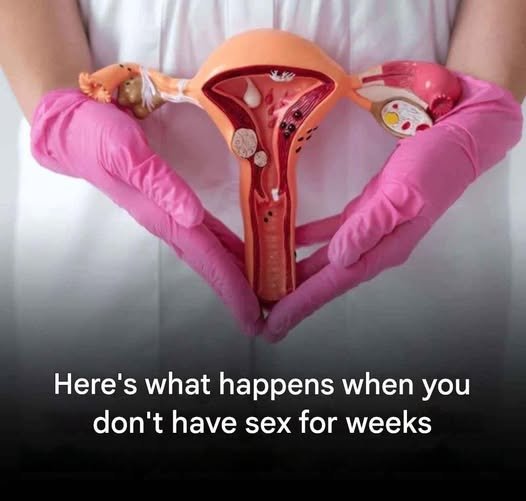
1. Physical Consequences
a) Hormonal & Physiological Changes
-
Sex hormones (testosterone, estrogen) may decline slightly without sexual activity, though this is usually subtle.
-
In men, reduced sexual activity over long periods can sometimes contribute to lower libido, erectile difficulties, or less frequent spontaneous erections.
-
In women, lack of sexual stimulation may reduce vaginal lubrication and elasticity, potentially leading to discomfort during eventual sexual activity.
b) Cardiovascular & Immune Effects
-
Sexual activity can modestly increase cardiovascular health (heart rate, blood flow).
-
Some studies suggest regular sexual activity may boost immune function, though infrequent or absent activity doesn’t automatically cause illness.
c) Pelvic Floor & Muscular Health
-
Less engagement of pelvic muscles may slightly reduce pelvic floor tone, especially in older adults.
-
Occasional exercise (like Kegels) can compensate.
2. Emotional & Psychological Consequences
a) Stress and Mood
-
Sexual activity releases oxytocin, dopamine, and endorphins, which promote mood, bonding, and stress relief.
-
A prolonged absence may lead to higher stress levels, lower mood, or feelings of loneliness for some people.
b) Self-Esteem & Body Image
-
People who highly value intimacy may experience reduced self-confidence or sexual self-esteem.
-
For others, this effect may be minimal if they are content with their situation.
c) Connection & Bonding
-
In partnered individuals, lack of intimacy can strain emotional bonds, reduce feelings of closeness, and sometimes create tension in relationships.
3. Social Consequences
-
Some people withdraw socially when intimacy is absent, though this is not universal.
-
Sexual health is often linked to broader social engagement and emotional intimacy—so prolonged absence may subtly affect social motivation or satisfaction.
4. Mental Health Considerations
-
Loneliness, depression, and anxiety can be exacerbated by a lack of physical closeness or sexual expression in those who value it.
-
Conversely, some people feel relief, clarity, or increased energy when not engaging in sexual relationships, highlighting how individual differences matter.
5. Compensatory or Neutral Factors
-
Masturbation or sexual fantasies can partially maintain physiological and psychological benefits.
-
Emotional intimacy, friendships, exercise, and creative or spiritual pursuits can offset many negative consequences of prolonged sexual inactivity.
✅ Key Takeaways
-
No universal “damage” occurs, but subtle physical, hormonal, and emotional changes can happen.
-
Psychological effects tend to be stronger than physical effects for most adults.
-
Maintaining social connections, exercise, and self-care can significantly reduce negative impacts.
-
Individual differences dominate: some thrive for years without sexual activity; others may experience distress quickly.
If you want, I can create a practical plan to mitigate the effects of long-term sexual inactivity—covering physical, mental, and emotional strategies tailored for different age groups.
Do you want me to do that?