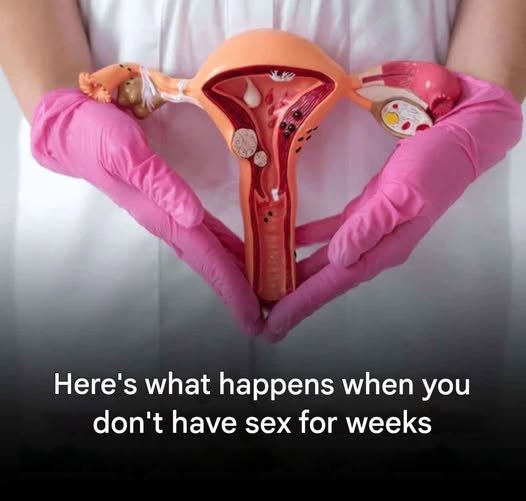
The Consequences of a Prolonged Absence of Intimate Relations
A long break from intimacy—whether emotional, physical, or both—can affect people in different ways. For some, it’s a conscious, healthy choice. For others, it’s unintentional and emotionally difficult. There’s no single “normal,” but research and clinical experience show a few possible effects, especially when the absence is unwanted or prolonged.
Emotional & psychological effects
1. Increased loneliness or emotional disconnect
Humans are wired for connection. Extended lack of intimacy can heighten feelings of:
- Loneliness
- Sadness or emptiness
- Feeling unseen or undesired
This is especially true when intimacy is replaced by isolation rather than meaningful connection.
2. Higher stress and anxiety levels
Intimacy helps regulate stress hormones. Without it:
- Cortisol (stress hormone) may remain elevated
- Emotional tension may build
- Anxiety can feel harder to manage
Touch, closeness, and bonding act as natural stress relievers.
3. Lower mood or depressive symptoms
Not everyone becomes depressed, but some people experience:
- Reduced motivation
- Irritability
- Emotional numbness
This isn’t about “needing sex”—it’s about missing connection, affection, and validation.
Physical & biological effects
4. Sleep and immune changes
Intimacy releases oxytocin and endorphins, which support:
- Better sleep quality
- Immune system regulation
Without them, some people notice poorer sleep or more frequent illness—though lifestyle factors matter a lot here.
5. Changes in libido
Libido can go either way:
- It may decrease due to lack of stimulation
- Or increase, leading to frustration
Both responses are normal.
6. Cardiovascular and hormonal considerations
Some studies associate regular intimacy with:
- Better heart health
- Improved blood pressure regulation
That said, intimacy is one of many factors, not a standalone health requirement.
Relationship and self-perception effects
7. Reduced self-esteem or desirability concerns
A prolonged absence—especially if unchosen—can affect how people see themselves:
- “Am I attractive?”
- “Am I wanted?”
These thoughts can quietly erode confidence over time.
8. Difficulty with closeness when intimacy returns
Extended gaps may make people feel:
- Awkward with touch
- Emotionally guarded
- Less comfortable expressing needs
This usually resolves with patience and safe connection.
Important perspective 🧠
- Celibacy itself is not harmful when it’s chosen and emotionally supported
- Strong friendships, affection, purpose, and self-connection can buffer many effects
- The real issue isn’t lack of sex—it’s lack of connection, safety, and emotional nourishment
Bottom line
A prolonged absence of intimate relations can influence emotional well-being, stress levels, and self-perception—but the impact depends on choice, context, and support.
If you want, I can tailor this to:
- Men vs. women
- Long-term relationships
- Health-focused or psychological angles
- A short, viral-style post or headline