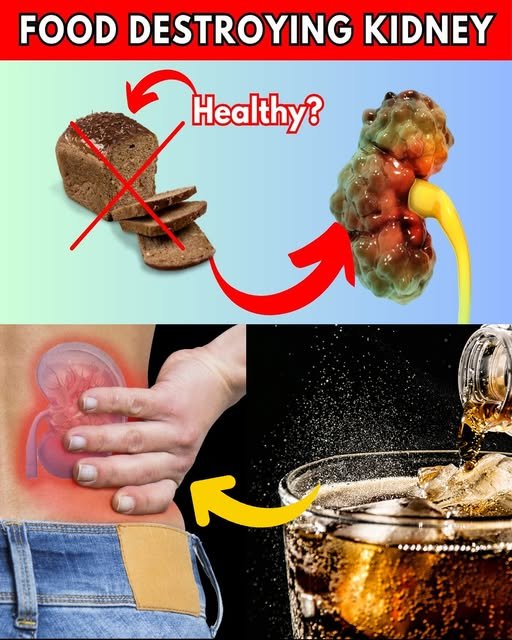
Stop Eating These 22 Foods to Protect and Support Your Kidney Health
Introduction
Kidneys play a vital role in filtering waste, balancing fluids, and regulating minerals in the body. When kidney function is stressed or declining, certain foods can make the condition worse. While no food can “heal” kidneys on its own, avoiding or limiting specific foods can help reduce strain and support overall kidney health—especially for people with kidney disease, diabetes, or high blood pressure.
1. Processed Meats
Bacon, sausages, hot dogs, and deli meats are high in sodium and preservatives that increase kidney workload.
2. Excess Salt
High sodium intake raises blood pressure and causes fluid retention, both of which harm kidney function.
3. Sugary Soft Drinks
Colas contain phosphorus additives and high sugar levels that can damage kidneys over time.
4. Artificial Sweeteners (Excessive Use)
Heavy, long-term use may negatively affect kidney filtration in some individuals.
5. Fried Foods
High in unhealthy fats, fried foods contribute to inflammation and cardiovascular strain linked to kidney damage.
6. Fast Food
Fast food is often loaded with sodium, phosphorus, and unhealthy fats that stress the kidneys.
7. Canned Foods
Many canned soups and vegetables contain excessive sodium unless labeled low-sodium.
8. White Bread
Refined grains provide little nutrition and can spike blood sugar, increasing kidney stress in diabetics.
9. Full-Fat Dairy Products
Milk, cheese, and cream are high in phosphorus and saturated fat, which may be harmful in excess.
10. Red Meat
Large amounts of animal protein increase acid load and waste production the kidneys must filter.
11. Processed Cheese
Contains high sodium and phosphorus additives that are particularly hard on kidneys.
12. Instant Noodles
Extremely high in sodium and preservatives, offering little nutritional value.
13. Pickled and Fermented Foods
Often contain excessive salt that can worsen fluid retention and blood pressure.
14. Alcohol
Alcohol dehydrates the body and interferes with kidney filtration when consumed regularly or in excess.
15. Packaged Snacks
Chips, crackers, and snack foods are typically high in sodium and artificial additives.
16. Chocolate (Excessive Amounts)
High in phosphorus and potassium, which may need to be limited in kidney disease.
17. Tomatoes and Tomato Products (If Advised)
Naturally high in potassium; may need restriction depending on kidney function.
18. Bananas (If Potassium Is High)
Healthy but high in potassium, which can be dangerous for people with impaired kidneys.
19. Avocados
Very high in potassium and should be limited for certain kidney conditions.
20. Nuts and Nut Butters
Contain phosphorus and potassium that can build up in kidney disease.
21. Bran and Whole-Grain Cereals (In Excess)
Although healthy, they may be too high in phosphorus for advanced kidney disease.
22. Store-Bought Sauces and Dressings
Soy sauce, salad dressings, and marinades often hide large amounts of sodium.
What to Eat Instead
-
Fresh fruits and vegetables suited to your potassium needs
-
Fresh, unprocessed meats or plant-based proteins in moderation
-
Home-cooked meals with minimal salt
-
Plenty of water, as advised by your doctor
Important Note
Dietary needs vary depending on the stage of kidney disease and individual health conditions. What is harmful for one person may be safe for another. Always consult a healthcare professional or registered dietitian before making major dietary changes.
Conclusion
Avoiding or limiting these foods can help reduce kidney strain and support long-term kidney health, especially if you are at risk or already managing kidney disease. A balanced, personalized diet—combined with medical care—is the most effective way to protect your kidneys.
This article is for informational purposes only and does not replace professional medical advice.