Is Left-Side Sleeping the Secret to Better Health?
Sleep position is one of those quietly influential habits most people never think about—until discomfort, snoring, or health issues force the question. Among all positions, left-side sleeping has gained a reputation as the “healthiest” way to sleep. But is it truly a secret weapon for better health, or just another wellness myth?
The truth sits somewhere in between.
Why Sleep Position Matters
We spend roughly one-third of our lives asleep, and during that time our posture affects breathing, circulation, digestion, spinal alignment, and even how well organs function overnight. While sleep quality depends on many factors—stress, environment, mattress, and schedule—sleep position plays a meaningful supporting role.
Side sleeping is already the most common position among adults, but the left side, in particular, is often singled out for its potential benefits.
The Science Behind Left-Side Sleeping
1. Improved Digestion and Reduced Acid Reflux
This is where left-side sleeping shines the most.
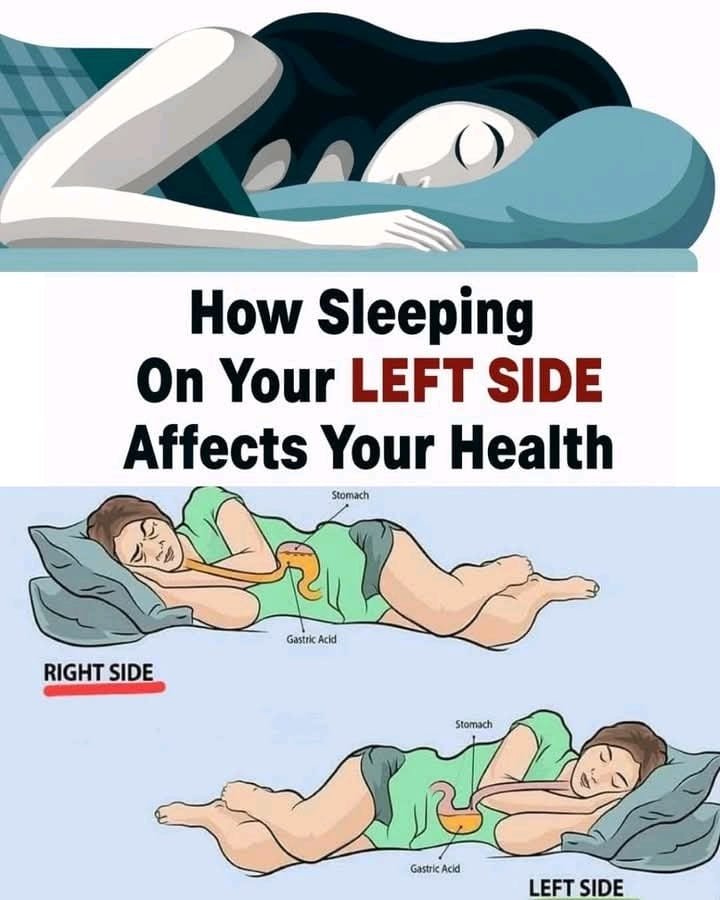
The stomach is positioned slightly to the left side of the body. When you sleep on your left side, gravity helps keep stomach acid below the esophagus, making it less likely to flow upward.
Research has shown that left-side sleeping can:
-
Reduce nighttime heartburn
-
Lessen symptoms of GERD (gastroesophageal reflux disease)
-
Shorten the time acid spends in the esophagus
For people who struggle with reflux, this position can significantly improve sleep comfort and quality.
2. Benefits During Pregnancy
Medical professionals often recommend left-side sleeping during pregnancy, especially in the second and third trimesters.
This position:
-
Improves blood flow to the uterus and placenta
-
Enhances circulation to the kidneys, helping reduce swelling
-
Reduces pressure on the liver, which sits on the right side
These benefits support both maternal comfort and fetal health.
3. Potential Support for Lymphatic Drainage
The body’s primary lymphatic drainage pathway—the thoracic duct—is located on the left side. Some experts believe sleeping on the left side may support the lymphatic system’s role in clearing waste and toxins.
However, it’s important to note that evidence here is limited. While the theory is anatomically plausible, large-scale clinical studies are lacking. This benefit remains possible, not proven.
4. Reduced Snoring and Better Breathing
Side sleeping in general can reduce snoring compared to sleeping on the back, which allows the tongue and soft tissues to fall backward into the airway.
For some people, left-side sleeping:
-
Keeps airways more open
-
Reduces mild snoring
-
May help with positional sleep apnea
That said, some individuals breathe better on their right side, so personal comfort still matters.
Common Claims That Go Too Far
While left-side sleeping has real benefits, it’s often surrounded by exaggerated claims.
“It Detoxes the Body”
Your body’s detoxification systems—primarily the liver and kidneys—function continuously, regardless of sleep position. Sleeping on your left side doesn’t magically flush toxins.
“It Prevents Heart Disease”
There’s no strong evidence that left-side sleeping alone reduces heart disease risk in healthy individuals. Heart health depends far more on diet, exercise, sleep duration, and genetics.
“Everyone Should Do It”
Bodies aren’t one-size-fits-all. A position that improves digestion for one person might cause shoulder pain or numbness for another.
Potential Downsides of Left-Side Sleeping
Despite its benefits, left-side sleeping isn’t perfect.
Some people may experience:
-
Shoulder or hip discomfort due to pressure
-
Arm numbness if circulation is compromised
-
Increased awareness of heartbeat (especially in people with anxiety or certain heart conditions)
If a position causes frequent waking, pain, or restlessness, it’s counterproductive—even if it’s theoretically “healthy.”
How to Sleep on Your Left Side Comfortably
If you want to try left-side sleeping, small adjustments make a big difference:
-
Use a supportive pillow that keeps your neck aligned with your spine
-
Place a pillow between your knees to reduce hip and lower back strain
-
Hug a body pillow to prevent rolling onto your back
-
Choose a mattress that supports pressure points without collapsing
Comfort is not optional—it’s essential.
So, Is Left-Side Sleeping the Secret?
Left-side sleeping isn’t a miracle cure, but it can be a powerful tool for specific issues—especially acid reflux, pregnancy-related circulation needs, and certain breathing problems.
The real secret to better health isn’t a single sleep position. It’s:
-
Consistent sleep schedules
-
Adequate sleep duration
-
Comfort and pain-free rest
-
A position that supports your body’s needs
If left-side sleeping helps you sleep deeper, longer, and more comfortably, then yes—it’s a great choice. If not, another position that allows uninterrupted, restorative sleep may be just as healthy.
In the end, the best sleep position is the one that helps you wake up feeling rested, not rigidly “correct.”
If you’d like, I can:
-
Adapt this for SEO
-
Make it more medical or more lifestyle-focused
-
Turn it into a shorter version or social media post
-
Add citations and studies
Just tell me the vibe.