Here’s a clear, practical, and senior-friendly full article you can use for health, wellness, or aging-related content.
Foods That Are Beneficial for Strengthening Muscles in Old Age
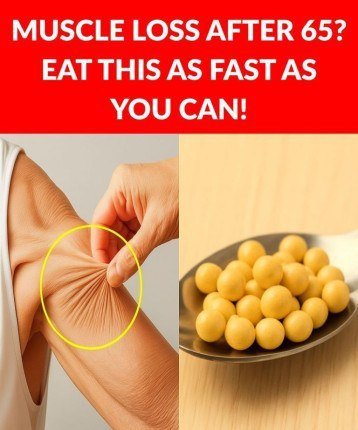
As we age, maintaining muscle strength becomes essential—not just for mobility, but for independence, balance, metabolism, and overall quality of life. After the age of 60, many people experience sarcopenia, the gradual loss of muscle mass and strength. The good news? The right foods can slow this process and even help rebuild muscle, especially when paired with gentle physical activity.
Here are the most beneficial foods for strengthening muscles in old age—and why they matter.
Why Nutrition Matters More With Age
As we get older:
- Muscle protein synthesis becomes less efficient
- Appetite may decrease
- The body absorbs nutrients less effectively
This means older adults often need higher-quality protein, more vitamin D, and key minerals to maintain muscle health.
1. Eggs
Eggs are one of the best muscle-supporting foods for older adults.
Benefits:
- High-quality protein
- Rich in leucine, an amino acid crucial for muscle growth
- Easy to chew and digest
Tip: Soft-boiled or scrambled eggs are ideal for seniors with dental issues.
2. Fish (Especially Fatty Fish)
Salmon, sardines, tuna, and mackerel are excellent for muscle health.
Benefits:
- High in protein
- Rich in omega-3 fatty acids, which help reduce muscle loss
- Support joint and heart health
Omega-3s may also enhance the muscle-building response to protein in older adults.
3. Lean Meats (Chicken, Turkey, Lean Beef)
Lean meats provide complete proteins and important micronutrients.
Benefits:
- Support muscle repair and strength
- Contain iron and vitamin B12, which help prevent fatigue and weakness
Tip: Slow-cooked or shredded meats are easier to chew.
4. Dairy Products
Milk, yogurt, and cheese are powerful muscle-supporting foods.
Benefits:
- High in protein (especially casein and whey)
- Rich in calcium and vitamin D for muscle contraction and bone health
Greek yogurt is especially helpful due to its higher protein content.
5. Legumes (Beans, Lentils, Chickpeas)
For plant-based or mixed diets, legumes are essential.
Benefits:
- Provide protein and fiber
- Help stabilize blood sugar
- Support gut health, which improves nutrient absorption
Combine legumes with grains (like rice) for a complete amino acid profile.
6. Nuts and Seeds
Almonds, walnuts, chia seeds, flaxseeds, and pumpkin seeds are small but powerful.
Benefits:
- Contain healthy fats, protein, and magnesium
- Support muscle function and reduce inflammation
Because they’re calorie-dense, small portions go a long way.
7. Whole Grains
Brown rice, oats, quinoa, and whole wheat bread provide energy for muscles.
Benefits:
- Supply carbohydrates needed for muscle endurance
- Contain B vitamins that support energy metabolism
Quinoa is especially useful because it also contains complete protein.
8. Fruits Rich in Antioxidants
Berries, oranges, cherries, and apples help protect muscles.
Benefits:
- Reduce inflammation and oxidative stress
- Support muscle recovery and immune health
Cherries, in particular, may reduce muscle soreness.
9. Vegetables (Especially Leafy Greens)
Spinach, kale, broccoli, and Swiss chard are crucial for muscle function.
Benefits:
- Provide magnesium, potassium, and vitamin K
- Support muscle contraction and nerve signaling
Leafy greens also help reduce age-related inflammation.
10. Healthy Fats (Olive Oil, Avocado)
Healthy fats help maintain overall muscle and joint health.
Benefits:
- Reduce inflammation
- Improve nutrient absorption
- Support hormone production
Extra virgin olive oil has been linked to better muscle function in older adults.
Nutrients Older Adults Should Pay Special Attention To
- Protein: Aim for regular protein at every meal
- Vitamin D: Supports muscle strength and balance
- Calcium: Essential for muscle contraction
- Magnesium: Prevents cramps and weakness
- Omega-3 fatty acids: Help slow muscle loss
A healthcare provider can help assess whether supplements are needed.
Practical Tips for Older Adults
- Spread protein evenly across meals
- Choose softer foods if chewing is difficult
- Stay hydrated—dehydration weakens muscles
- Pair good nutrition with light strength exercises (as approved by a doctor)
The Takeaway
Muscle loss is not an inevitable part of aging. With the right foods, older adults can maintain strength, improve balance, and stay active longer. A diet rich in high-quality protein, healthy fats, fruits, vegetables, and whole grains provides the foundation for stronger muscles and better aging.
Food may not stop time—but it can absolutely help you age stronger.
If you want, I can:
- Adapt this for men or women specifically
- Create a simple meal plan
- Write a short viral version
- Make it suitable for diabetes or heart conditions
Just tell me what you’d like next.