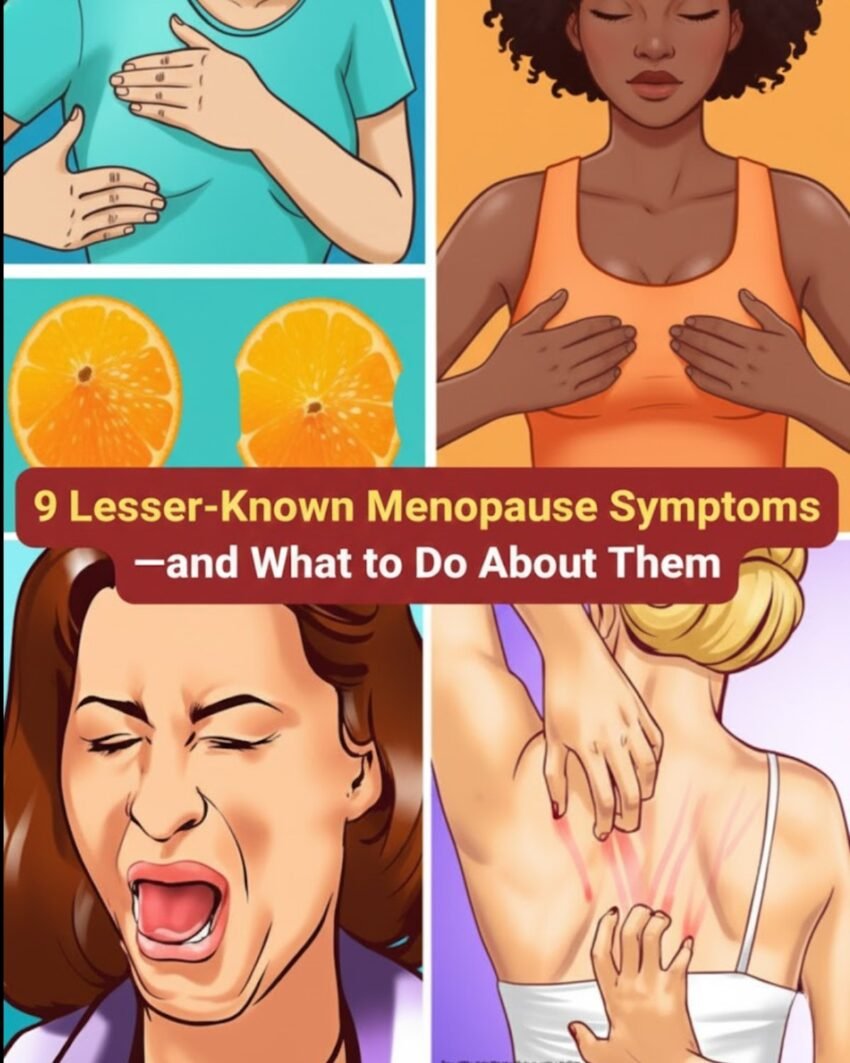
Here’s a full, reader-friendly article—informative, supportive, and medically responsible.
Early Menopause: 10 Signs (and More) to Watch Out For!
Menopause is a natural stage of life, but when it happens earlier than expected, it can feel confusing, frustrating, or even alarming. Early menopause—typically defined as menopause occurring before age 45 (and premature menopause before 40)—can affect physical health, emotional well-being, and fertility.
Recognizing the early warning signs allows you to seek medical guidance sooner and make informed decisions about your health.
What Is Early Menopause?
Menopause is diagnosed after 12 consecutive months without a menstrual period, marking the end of ovarian hormone production. When this transition happens earlier than average, it may be due to:
- Genetics
- Autoimmune conditions
- Medical treatments (chemotherapy, radiation, surgery)
- Lifestyle factors (such as smoking)
- Unknown causes
10 Common Signs of Early Menopause
1. Irregular Periods
One of the earliest and most noticeable signs. Periods may become:
- More frequent or further apart
- Heavier or lighter than usual
- Unpredictable
2. Hot Flashes
Sudden waves of heat, often affecting the face, neck, and chest, sometimes followed by chills or sweating.
3. Night Sweats
Intense sweating during sleep that may soak sheets or disrupt rest.
4. Mood Changes
Increased irritability, anxiety, low mood, or emotional sensitivity caused by fluctuating estrogen levels.
5. Sleep Problems
Difficulty falling asleep, staying asleep, or waking too early—even without night sweats.
6. Vaginal Dryness or Discomfort
Lower estrogen levels can cause dryness, itching, or pain during intercourse.
7. Decreased Libido
Changes in sexual desire are common and often linked to both hormonal shifts and emotional stress.
8. Brain Fog
Trouble concentrating, forgetfulness, or mental fatigue that feels out of character.
9. Fatigue
Persistent tiredness that doesn’t improve with rest.
10. Weight Changes
Weight gain, especially around the abdomen, or changes in how your body responds to diet and exercise.
Additional Symptoms You Might Notice
- Headaches or migraines
- Joint or muscle pain
- Thinning hair or hair loss
- Dry skin or brittle nails
- Increased sensitivity to stress
- Heart palpitations
Not everyone experiences the same symptoms—and their intensity can vary widely.
Why Early Menopause Matters
Early menopause can increase long-term health risks, including:
- Osteoporosis
- Cardiovascular disease
- Cognitive changes
- Fertility challenges
That’s why early evaluation and support are important.
When to See a Doctor
You should consider medical advice if:
- You’re under 45 and experiencing multiple symptoms
- Your periods have become irregular or stopped
- Symptoms are affecting your quality of life
- You have a family history of early menopause
A healthcare provider may recommend hormone testing, imaging, or lifestyle adjustments.
Managing Early Menopause
Treatment depends on individual needs and may include:
- Hormone therapy (when appropriate)
- Lifestyle changes (nutrition, exercise, sleep support)
- Stress management
- Vaginal estrogen or non-hormonal treatments
Early menopause doesn’t mean you have to suffer in silence—support and options exist.
The Bottom Line
Early menopause is more common than many realize, and its signs often appear gradually. Paying attention to your body and seeking guidance early can protect your health and help you feel more in control during the transition.
If something feels off, trust that instinct—it’s worth checking.
If you’d like, I can:
- Make this SEO-optimized
- Rewrite it in a more conversational or clinical tone
- Add a symptom checklist
- Adapt it for social media or newsletters
Just let me know what you need next.