8 Strange Signs Your Body Is Begging for Vitamin B12
Vitamin B12 is essential for nerve function, red blood cell production, and DNA synthesis. Because it plays a role in many systems throughout the body, a deficiency can cause a wide range of symptoms—some of them unexpected. These signs often develop gradually and are easy to overlook.
1. Tingling or Numbness in Hands and Feet
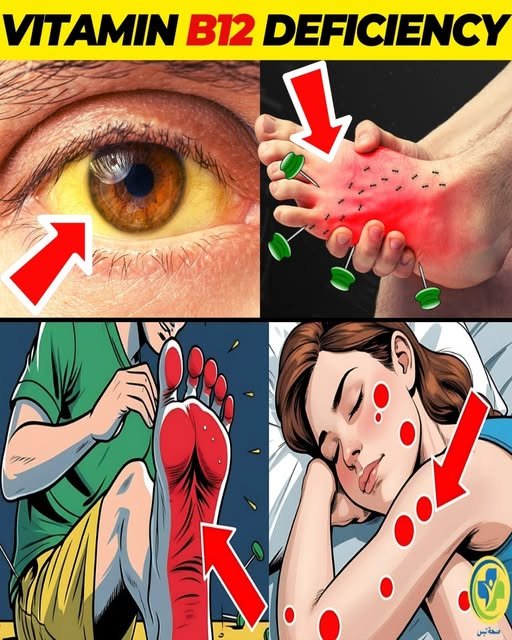
One of the earliest and strangest signs of vitamin B12 deficiency is a pins-and-needles sensation in the extremities. B12 is crucial for maintaining the protective covering of nerves. Without it, nerve signals may not transmit properly.
2. Unusual Fatigue or Weakness
Persistent tiredness that does not improve with rest can be linked to low B12 levels. A deficiency can impair red blood cell production, reducing oxygen delivery to tissues and leading to weakness and exhaustion.
3. Memory Problems or Brain Fog
Vitamin B12 supports brain health. Low levels may cause difficulty concentrating, forgetfulness, confusion, or mental sluggishness. In severe cases, it can mimic symptoms of dementia.
4. Pale or Yellow-Tinged Skin
B12 deficiency can cause a form of anemia that makes the skin appear pale. In some cases, mild jaundice may occur due to the breakdown of fragile red blood cells.
5. Sore, Red, or Swollen Tongue
A smooth, inflamed, or painful tongue—sometimes described as “beefy red”—can be a warning sign. Mouth ulcers and a burning sensation may also appear.
6. Shortness of Breath or Dizziness
When oxygen transport is reduced due to anemia, symptoms such as dizziness, lightheadedness, or shortness of breath can occur, especially during physical activity.
7. Mood Changes or Depression
Vitamin B12 plays a role in neurotransmitter production. Low levels have been associated with mood swings, irritability, anxiety, and depressive symptoms.
8. Vision Disturbances
In rare but serious cases, prolonged B12 deficiency can damage the optic nerve, leading to blurred or disturbed vision.
Who Is Most at Risk
People at higher risk of vitamin B12 deficiency include:
-
Older adults
-
Vegetarians and vegans
-
People with digestive disorders such as Crohn’s disease or celiac disease
-
Individuals taking certain medications, including metformin or acid-reducing drugs
Supporting Healthy B12 Levels
Vitamin B12 is found primarily in animal-based foods such as meat, fish, eggs, and dairy. Fortified foods and supplements may be necessary for those who cannot obtain enough through diet alone.
When to Seek Medical Advice
If several of these symptoms are present or worsening, a healthcare provider should be consulted. A simple blood test can confirm B12 levels, and treatment is often highly effective when started early.
Conclusion
Vitamin B12 deficiency can show up in surprising ways, affecting nerves, mood, skin, and energy levels. Recognizing these unusual signs early can help prevent long-term complications and support overall health.