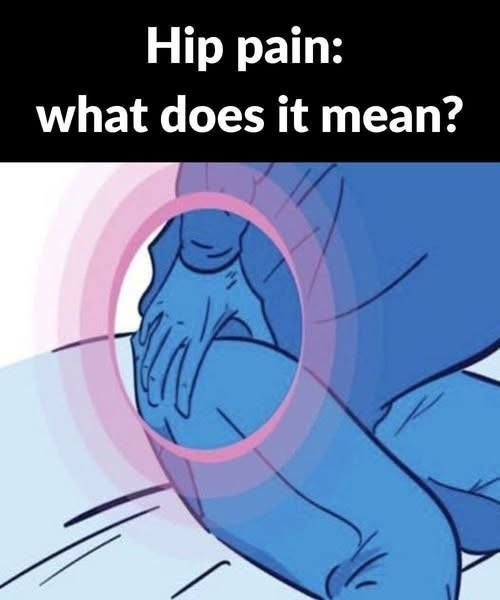
If You Have Hip Pain, It May Be a Sign That Something Else Is Going On
Introduction
Hip pain is common and can affect people of all ages. While it is often blamed on overuse, poor posture, or aging, persistent or unexplained hip pain can sometimes signal an underlying condition. Understanding what your hip pain may be pointing to can help you take the right steps toward relief and treatment.
Common Causes of Hip Pain
1. Muscle Strain or Overuse
Repetitive movements, heavy lifting, or sudden increases in physical activity can strain the muscles and tendons around the hip, causing pain and stiffness.
2. Poor Posture or Prolonged Sitting
Sitting for long hours, especially with poor posture, can tighten hip flexor muscles and lead to discomfort or pain that worsens when standing or walking.
3. Arthritis
Osteoarthritis or inflammatory arthritis can cause hip joint pain, stiffness, and reduced range of motion, particularly in the morning or after periods of inactivity.
4. Sciatic Nerve Irritation
Pain that radiates from the lower back through the hip and down the leg may indicate sciatica, caused by pressure on the sciatic nerve.
5. Hip Bursitis
Inflammation of the fluid-filled sacs that cushion the hip joint can cause sharp or aching pain, especially when lying on the affected side.
6. Tendinitis
Inflamed tendons around the hip can cause pain during movement and tenderness in specific areas.
7. Referred Pain from the Lower Back
Problems in the lower spine, such as disc issues or spinal misalignment, can cause pain that is felt in the hip rather than the back.
8. Bone or Joint Injury
Stress fractures, falls, or minor injuries that go unnoticed at first can lead to ongoing hip pain if not properly treated.
When Hip Pain May Signal Something Serious
Hip pain should not be ignored if it:
-
Persists for more than a few weeks
-
Worsens over time
-
Is accompanied by fever, swelling, or redness
-
Causes difficulty walking or bearing weight
These signs may indicate infection, advanced joint disease, or other serious conditions requiring medical evaluation.
When to See a Doctor
If hip pain interferes with daily activities, sleep, or mobility, or if it appears suddenly without a clear cause, consulting a healthcare professional is important. Early diagnosis can prevent long-term complications.
Conclusion
Hip pain is not always just a minor inconvenience. While it often results from muscle strain or posture issues, persistent pain can be a warning sign of joint, nerve, or spine-related problems. Paying attention to your body and seeking medical advice when needed can help protect your mobility and overall health.
This article is for informational purposes only and does not replace professional medical advice.