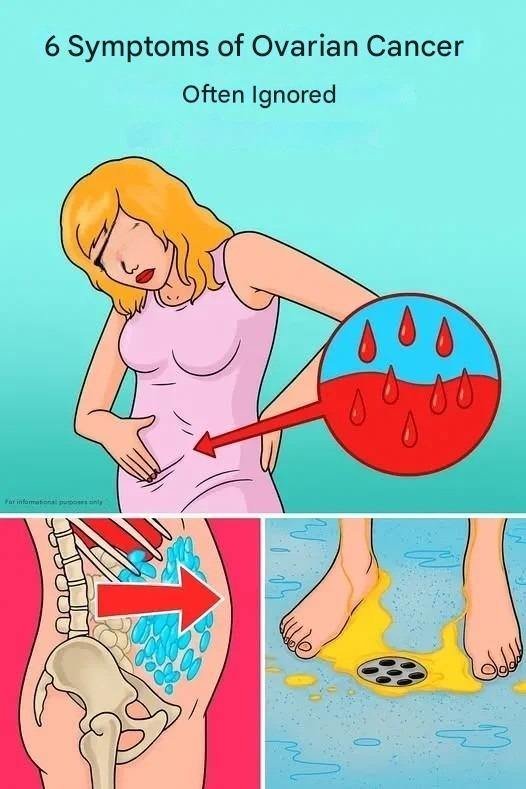
6 Often Overlooked Symptoms of Ovarian Cancer
Introduction
Ovarian cancer is known as a “silent killer” because its early symptoms are often subtle and easily mistaken for common digestive or menstrual issues. Recognizing these warning signs early can lead to timely diagnosis and treatment, improving outcomes.
1. Persistent Abdominal Bloating
Many women experience occasional bloating, but persistent, unexplained swelling of the abdomen—especially if it doesn’t go away after a few days—can be an early sign of ovarian cancer.
2. Feeling Full Quickly or Loss of Appetite
If you find yourself feeling full after eating only small amounts or losing interest in food, this could be caused by pressure from a growing ovarian tumor on your stomach or digestive system.
3. Pelvic or Lower Back Pain
Unexplained pelvic discomfort or lower back pain that is persistent rather than related to your menstrual cycle may indicate early ovarian changes.
4. Changes in Urination
Frequent urges to urinate, difficulty emptying the bladder, or other urinary changes without infection may signal ovarian issues, as the tumor can press on the bladder.
5. Unexplained Fatigue
Ongoing tiredness or weakness, even after adequate rest, can be an early symptom. Fatigue may result from the body’s response to cancer or from subtle internal blood loss.
6. Digestive Problems
Persistent indigestion, nausea, or changes in bowel habits such as constipation may be caused by pressure from an ovarian tumor on the intestines.
When to See a Doctor
-
Symptoms that persist for more than two weeks should be evaluated by a healthcare professional.
-
Early detection through regular gynecological exams and awareness of risk factors (like family history or genetic predisposition) is crucial.
Conclusion
Ovarian cancer often presents with subtle, easily overlooked symptoms. Paying attention to persistent bloating, changes in appetite, pelvic pain, urinary or digestive issues, and fatigue can help detect the disease earlier. Prompt medical evaluation is essential for improving treatment outcomes and survival rates.
This article is for informational purposes only and does not replace professional medical advice.