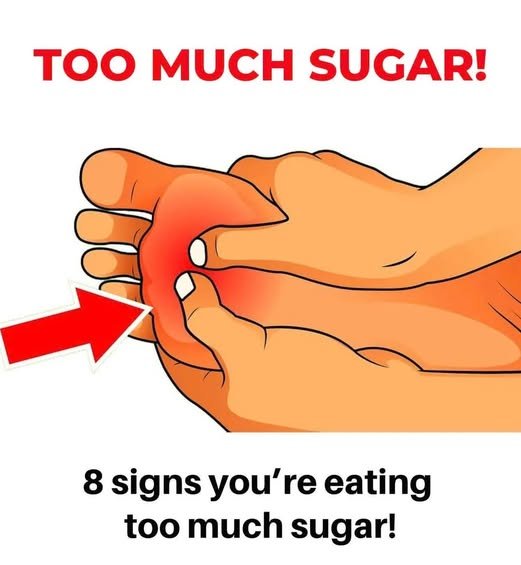
Diabetes Symptoms at Night: Top 7 Signs of High Blood Sugar That Become Worse After 10 PM
Introduction
High blood sugar, or hyperglycemia, can cause noticeable symptoms that may worsen at night. People with diabetes or prediabetes may experience these signs after 10 PM due to changes in hormone levels, eating patterns, or medication timing. Recognizing these symptoms early can help prevent complications and improve blood sugar management.
1. Frequent Nighttime Urination
Excess glucose in the blood causes the kidneys to work harder to remove it, leading to increased urination at night. This can disrupt sleep and lead to dehydration.
2. Excessive Thirst
High blood sugar draws water out of the body, leaving you constantly thirsty. This symptom often appears alongside frequent urination and may worsen as the night progresses.
3. Fatigue or Trouble Sleeping
Hyperglycemia can interfere with sleep patterns, causing fatigue, restlessness, or difficulty falling asleep even if you are tired.
4. Headaches
High blood sugar can lead to dehydration and changes in blood vessel function, which often results in headaches, particularly in the evening or late at night.
5. Blurred Vision
Fluctuating glucose levels can temporarily affect the shape of the lens in your eyes, causing blurred vision that may become noticeable after 10 PM.
6. Dry Mouth and Skin
Dehydration caused by high blood sugar can lead to a dry mouth, cracked lips, and dry skin, especially at night when fluid intake decreases.
7. Night Sweats or Restlessness
Some people experience excessive sweating, restlessness, or even mild tingling in the hands or feet at night due to fluctuating glucose levels affecting nerves and circulation.
When to Seek Medical Advice
If you consistently experience these symptoms at night, it is important to monitor your blood sugar and consult a healthcare professional. Uncontrolled nighttime hyperglycemia increases the risk of complications such as nerve damage, kidney problems, and cardiovascular disease.
Conclusion
Nighttime symptoms of high blood sugar are often overlooked but can provide important clues about your diabetes management. Monitoring your levels, adjusting medication under medical supervision, and maintaining healthy eating habits can help reduce these symptoms and improve overall sleep quality.
This article is for informational purposes only and does not replace professional medical advice.