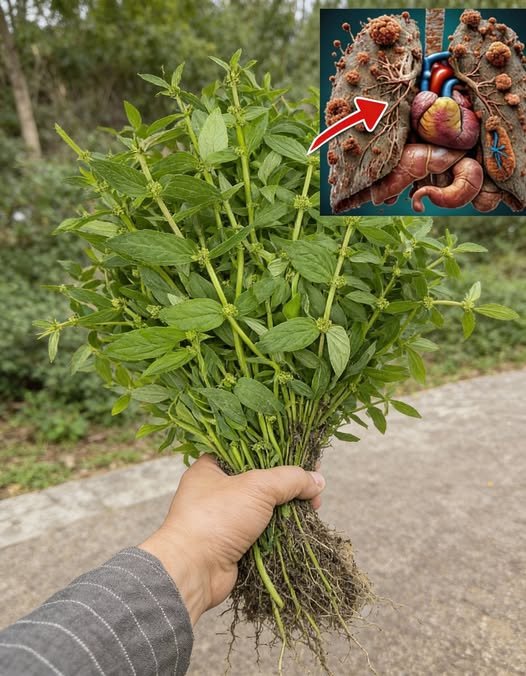
That headline is classic social-media folklore 😄
No leaf in your compound is literal gold — but some plants are called “gold” because they’re valuable for health, food, or income, not because they contain precious metal.
Here’s what people usually mean when they say this 👇
🌿 “You have gold and don’t know it” — the usual suspects
1. Moringa leaf (the most common one)
Often called “green gold.”
Why people hype it:
- Very nutritious (protein, iron, vitamins)
- Used in teas, powders, supplements
- Can be sold fresh or dried
Reality check:
- Healthy and useful ✅
- Not a miracle cure ❌
- Value comes from consistent use or small-scale selling, not magic
2. Neem leaf
Sometimes called “village pharmacy.”
Why it’s praised:
- Used traditionally for skin, teeth, pests
- Antibacterial properties
- Used in soaps and herbal products
Reality:
- Helpful for some uses
- Bitter, strong, and not safe to consume freely
3. Guava leaves
Often shared in viral posts.
Why people say it’s “gold”:
- Used traditionally for diarrhea and blood sugar support
- Guava leaf tea is popular
Reality:
- Can help mildly in some cases
- Not a cure for diabetes or chronic disease
4. Pawpaw (papaya) leaves
Very common in these claims.
Why people hype it:
- Used traditionally for digestion and immunity
Reality:
- Can be risky in large amounts
- Not safe for everyone (especially pregnant women)
⚠️ Important warning about these posts
When you see phrases like:
- “Doctors don’t want you to know”
- “Cures everything”
- “Just take 2 spoons”
🚩 That’s misinformation.
Plants can be useful, but misuse can:
- Damage the liver or kidneys
- Interact with medications
- Delay proper medical care
✅ The real “gold”
If you have useful plants in your compound, the value is:
- Nutrition
- Traditional knowledge
- Potential small income
- Low-cost home remedies (when used correctly)
Not overnight wealth or miracle healing.
If you want, tell me:
- Which leaf you’re referring to (or describe it)
- What people claim it does
I’ll break down what it actually helps with, what’s exaggerated, and how to use it safely 🌱