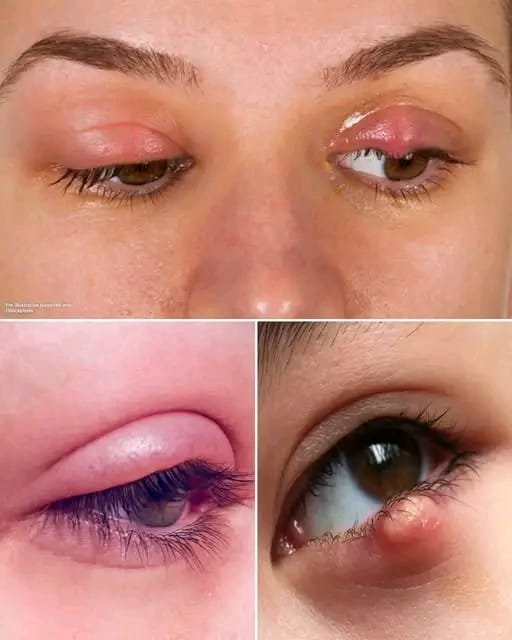
Eye Styes Can Happen to Anyone… But They May Keep Coming Back If You Don’t Address This One Key Habit
Eye styes are annoying, painful, and frustratingly persistent. They can show up seemingly out of nowhere—red, swollen, and tender—and just when you think you’re done with them, another one appears weeks later.While styes are common and usually harmless, recurring styes are often a sign that the root cause hasn’t been fully addressed.Here’s what you need to know—and the simple habit that can make all the difference.
What Is an Eye Stye?
A stye (also called a hordeolum) is a small infection of an oil gland at the edge of the eyelid. It’s usually caused by bacteria (most often Staphylococcus) that become trapped in clogged glands or hair follicles.
Typical symptoms include:
-
Redness and swelling on the eyelid
-
Pain or tenderness
-
A small yellow or white bump
-
Tearing or irritation
Most styes clear up on their own within a few days—but that doesn’t mean the problem is gone for good.
Why Do Styes Keep Coming Back?
Recurring styes are rarely “bad luck.” Common underlying causes include:
-
Poor eyelid hygiene
-
Touching or rubbing eyes frequently
-
Old or contaminated eye makeup
-
Incomplete drainage of previous styes
-
Chronic eyelid inflammation (blepharitis)
-
Contact lens hygiene issues
If bacteria remain on the eyelids or glands stay clogged, new styes can form easily.
The Most Important Tip to Stop Recurring Styes
👉 Clean Your Eyelids—Even When You Don’t Have a Stye
This is the habit most people miss.
Many treat a stye until the swelling goes down… then stop all care. But bacteria and oil buildup can remain long after visible symptoms fade.
Consistent eyelid hygiene is key to preventing recurrence.
How to Clean Your Eyelids Properly
Step 1: Warm Compress (Daily)
-
Use a clean washcloth soaked in warm (not hot) water
-
Place over closed eyes for 5–10 minutes
-
Re-warm as needed
This helps loosen hardened oils in the glands.
Step 2: Gentle Lid Cleaning
After the compress:
-
Use a clean cloth, cotton pad, or eyelid wipe
-
Clean along the lash line gently
-
You can use diluted baby shampoo or a doctor-recommended lid cleanser
Step 3: Keep It Consistent
Do this once daily, even when your eyes feel fine—especially if you’re prone to styes.
Other Habits That Help Prevent Styes
-
Wash hands before touching your eyes
-
Replace eye makeup regularly (especially mascara)
-
Avoid sharing makeup or towels
-
Remove eye makeup completely before bed
-
Clean contact lenses as directed
-
Avoid squeezing or popping a stye
Popping a stye can spread infection and increase recurrence.
When to See a Doctor
Seek medical advice if:
-
Styes keep returning despite good hygiene
-
Swelling spreads or worsens
-
Vision becomes affected
-
The stye doesn’t improve after 7–10 days
In some cases, prescription ointments or further evaluation may be needed.
The Bottom Line
Eye styes are common—but recurrent styes are often preventable.
The key isn’t a miracle cure or overnight fix. It’s consistent eyelid hygiene, even when symptoms are gone. By keeping oil glands clear and bacteria levels low, you dramatically reduce the chance of styes coming back.
A few minutes a day can save you weeks of irritation later.
If you’d like, I can:
-
Rewrite this in a short viral / click-style version
-
Make it more medical or more casual
-
Turn it into a checklist or infographic script
-
Adapt it for social media or email newsletters
Just tell me where you’re publishing it.