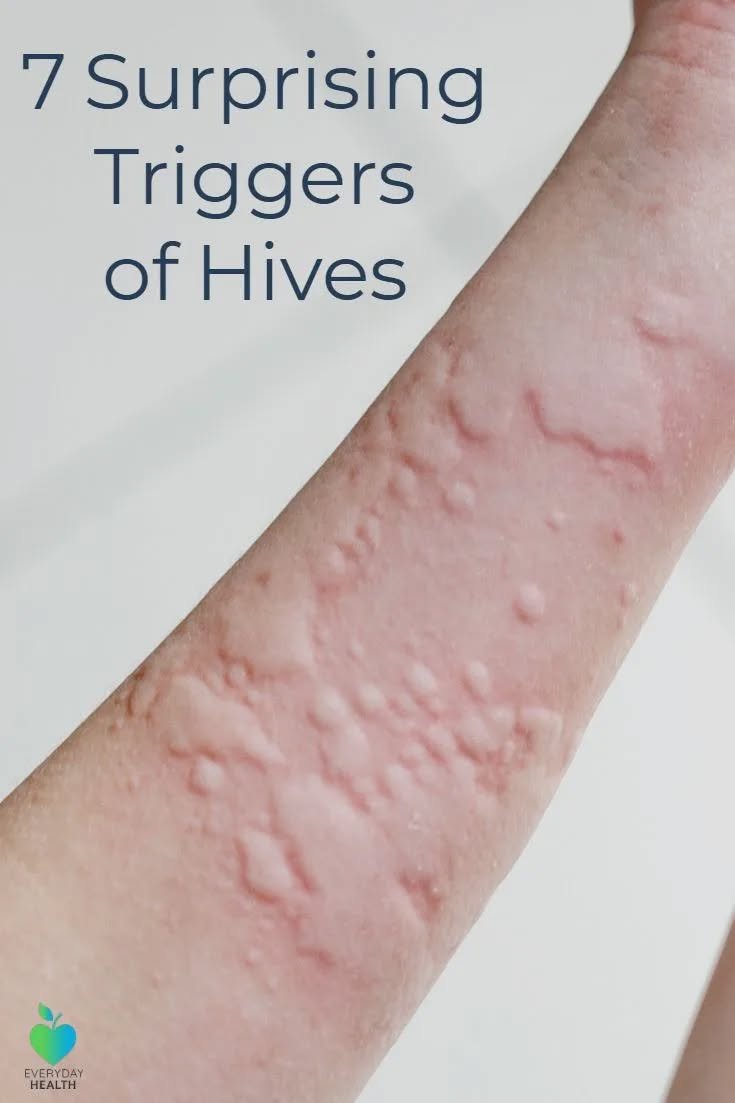
Here’s a thorough, easy-to-follow guide about hives (also called urticaria):
1. What Are Hives?
Hives are raised, itchy, red or skin-colored welts on the skin that appear suddenly.
- They can vary in size—from small dots to large patches.
- Usually come and go within hours, but sometimes last days.
- They are a type of allergic skin reaction caused by histamine release in the skin.
2. Symptoms of Hives
- Red or skin-colored welts on the skin
- Intense itching
- Swelling (sometimes around eyes, lips, or hands)
- Wheals that change shape, appear, and fade quickly
- Burning or stinging sensations in some cases
Severe reaction (rare but urgent): angioedema
- Swelling of lips, tongue, throat
- Difficulty breathing or swallowing
- Emergency care needed immediately
3. Causes of Hives
Hives occur when histamine is released due to an immune response. Common triggers:
Allergic Causes
- Foods: nuts, shellfish, eggs, milk
- Medications: antibiotics, NSAIDs
- Insect stings or bites
Non-Allergic Causes
- Stress or anxiety
- Heat, cold, or sunlight
- Pressure on the skin (tight clothing)
- Viral or bacterial infections
Chronic Causes (lasting >6 weeks)
- Autoimmune reactions
- Unknown triggers (idiopathic urticaria)
4. Diagnosis
Diagnosis is usually based on:
- Medical history: recent foods, medications, stress, illnesses
- Physical exam: appearance and pattern of welts
- Allergy testing (if needed): skin prick or blood test
- Additional tests if chronic: thyroid, autoimmune, or infection screens
Most hives are self-limiting and don’t require extensive testing.
5. Treatment
Mild / Short-term Hives
- Oral antihistamines (cetirizine, loratadine, fexofenadine)
- Cool compresses or oatmeal baths
- Avoid triggers (foods, meds, stress, temperature extremes)
Severe Hives or Angioedema
- Epinephrine for life-threatening allergic reactions
- Oral corticosteroids for severe or persistent swelling
- Hospitalization if airway is compromised
6. Prevention
- Identify and avoid known triggers
- Keep antihistamines on hand if prone to outbreaks
- Wear loose clothing to avoid pressure-induced hives
- Manage stress and infections, which can trigger flare-ups
- Maintain a symptom diary to track patterns
✅ Key takeaway: Hives are usually harmless and short-lived, but recurrent or severe cases need medical evaluation, especially if breathing or swallowing is affected.
If you want, I can also make a quick visual guide showing what hives look like and how to tell them apart from other skin rashes—very useful for quick recognition. Do you want me to do that?