Here’s a clear, medically accurate overview.
What Are Tonsil Stones?
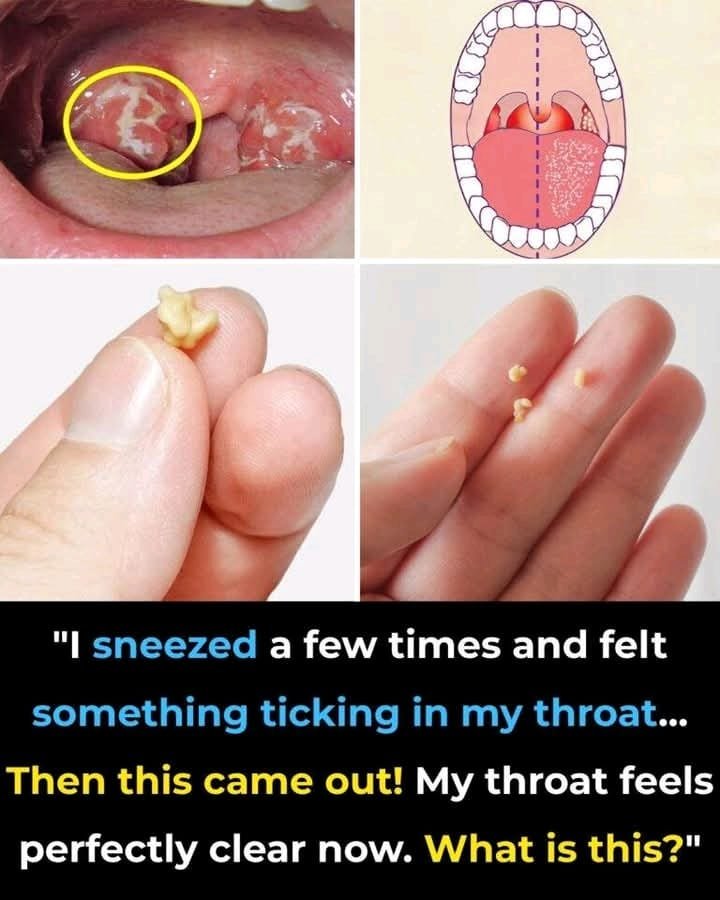
Tonsil stones (also called tonsilloliths) are small, hardened deposits that form in the crevices of the tonsils. They are made of trapped debris such as food particles, dead cells, mucus, and bacteria that calcify over time.
Common Symptoms
- Bad breath (very common)
- White or yellowish lumps on the tonsils
- Sore or irritated throat
- Feeling of something stuck in the throat
- Difficulty swallowing (in some cases)
- Ear pain without an ear infection
Some people have tonsil stones with no symptoms at all.
Why Tonsil Stones Form
Tonsil stones are more likely if you have:
- Deep tonsil crypts (natural folds)
- Poor oral hygiene
- Chronic tonsillitis or frequent throat infections
- Postnasal drip or excess mucus
- Dry mouth
Are Tonsil Stones Dangerous?
Tonsil stones are not dangerous in most cases.
They are a nuisance rather than a serious health problem. However, large or recurring stones can cause discomfort, infection, or persistent bad breath.
How to Remove Tonsil Stones Safely
At-Home Methods
- Gargle with warm salt water
- Use a water flosser on low pressure
- Gentle removal with a clean cotton swab (only if visible and easy to reach)
Avoid sharp objects or aggressive digging, as this can cause bleeding or infection.
How to Prevent Tonsil Stones
- Brush teeth and tongue twice daily
- Floss daily
- Gargle after meals
- Stay well hydrated
- Treat allergies or postnasal drip
- Avoid smoking
When to See a Doctor
Consult a healthcare professional if:
- Tonsil stones keep coming back frequently
- You have severe pain, swelling, or fever
- Stones are very large or deeply embedded
- Bad breath persists despite good oral hygiene
In rare cases, tonsil removal (tonsillectomy) may be recommended for chronic, severe cases.
Key Takeaway
Tonsil stones are common, usually harmless, and manageable with good oral hygiene and simple care. Persistent or painful cases should be evaluated by a doctor or ENT specialist.
If you want, I can also explain natural remedies, foods to avoid, or how to tell tonsil stones apart from other throat conditions.