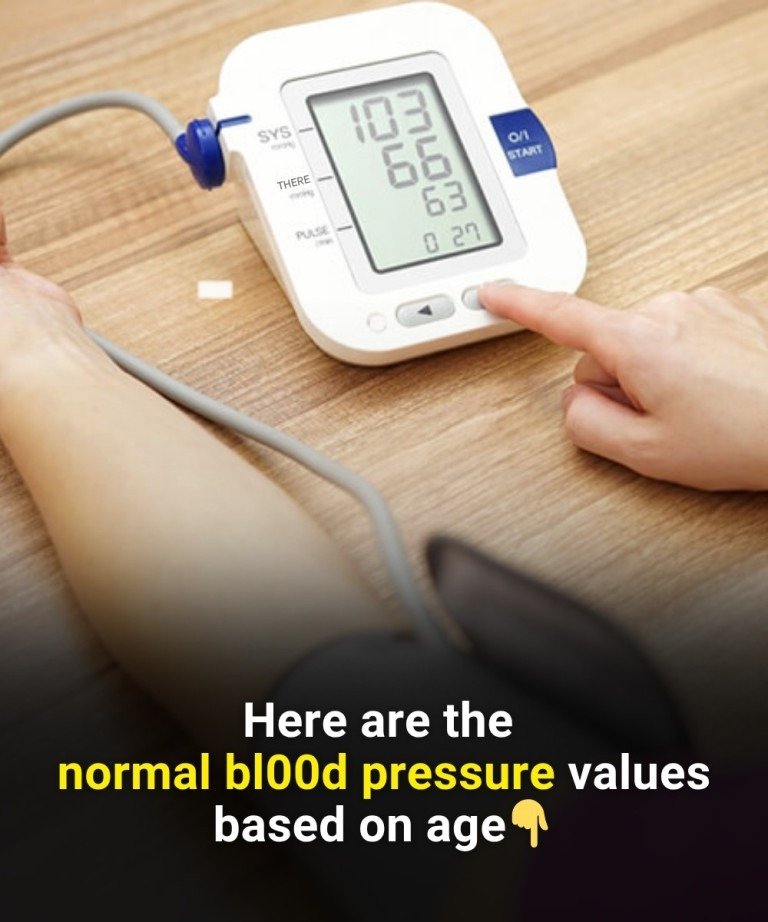
Blood pressure doesn’t have a perfect “one number per age,” but there are healthy target ranges that doctors use. The most important point: lower is usually better—as long as you feel well and don’t get symptoms like dizziness.
Blood pressure is measured as:
- Systolic (top number) = pressure when the heart beats
- Diastolic (bottom number) = pressure when the heart rests
🫀 Normal blood pressure (modern medical guideline)
👶 Children
- Varies widely with age and height
- Rough range: 90–110 / 50–70
👦 Teens
- About 100–120 / 60–80
🧑 Adults (18–60)
- Normal: less than 120 / 80 mmHg
- Elevated: 120–129 / less than 80
- Hypertension: 130 / 80 or higher
👴 Older adults (60+)
- Slightly higher readings are more common due to stiffening arteries
- Typical range: 110–140 / 70–90
- Ideal goal (if tolerated): still below 130 / 80
⚠️ Why age changes blood pressure
As people age:
- Arteries become less flexible
- Risk of Atherosclerosis increases
- Heart works harder to pump blood
🚨 When blood pressure is too low
- Below 90 / 60 may be low for some people
- Can cause dizziness, fainting, weakness
🧠 Key takeaway
There is no single “perfect number for each age.” Doctors focus on:
- Overall health
- Symptoms
- Risk factors (diabetes, kidney disease, heart disease)
- Long-term trends
⚖️ Bottom line
- Under 120/80 = healthy reference for most adults
- Slightly higher may be acceptable in older adults
- The real concern is sustained high blood pressure, not a single reading
If you want, I can show you a simple chart of dangerous blood pressure levels and when to seek emergency care.