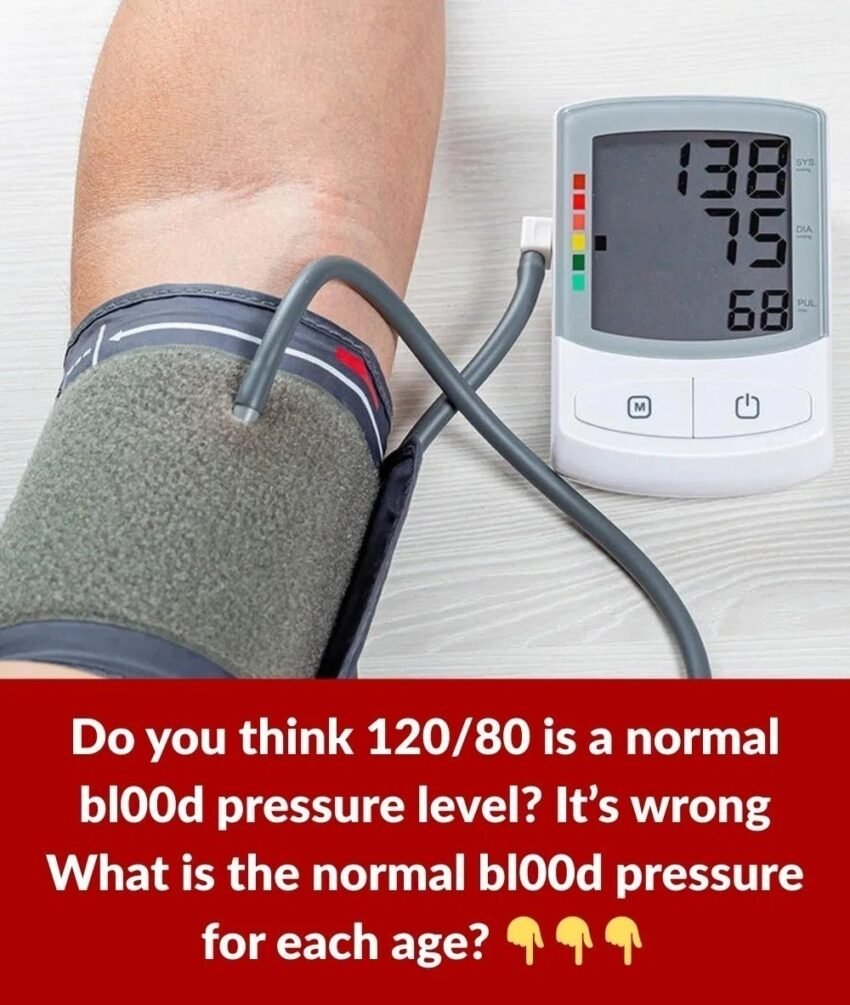
Blood pressure doesn’t have completely different “normal” values for every age group—the general healthy range is similar for adults. What changes with age is how strictly doctors monitor it and what’s considered ideal vs. acceptable.
🩺 Normal Blood Pressure by Age (General Guide)
👶 Children (Approx. 1–12 years)
- Varies by height, age, and gender
- Roughly: 90–110 / 55–75 mmHg
- Pediatricians use growth charts rather than one fixed number
🧑🎓 Teens (13–17 years)
- Normal: ~110–120 / 65–80 mmHg
- Similar to adults by late teens
🧑 Adults (18–39 years)
- Ideal: <120 / <80 mmHg
- Elevated: 120–129 / <80
🧔 Middle-aged Adults (40–59 years)
- Ideal: still <120 / <80 mmHg
- Many develop higher readings due to lifestyle and aging
👴 Older Adults (60+ years)
- Target often: <130–140 / <80–90 mmHg
- Slightly higher may be acceptable depending on overall health
📊 Standard Categories (All Adults)
Based on guidelines from groups like the American Heart Association:
- Normal: less than 120 / 80
- Elevated: 120–129 / less than 80
- High Blood Pressure (Stage 1): 130–139 / 80–89
- High Blood Pressure (Stage 2): 140+ / 90+
- Hypertensive crisis: 180+ / 120+ (needs urgent care)
⚠️ Important Notes
- Blood pressure naturally rises slightly with age, but “normal” doesn’t change much
- Individual targets can differ if you have conditions like Diabetes or kidney disease
- One high reading doesn’t mean hypertension—look for consistent patterns
💡 Tips to Keep Blood Pressure Healthy
- Reduce salt intake
- Stay active (walking, light exercise)
- Maintain a healthy weight
- Manage stress
- Get regular checkups
If you want, I can help you interpret your own readings or show you how to measure blood pressure correctly at home.