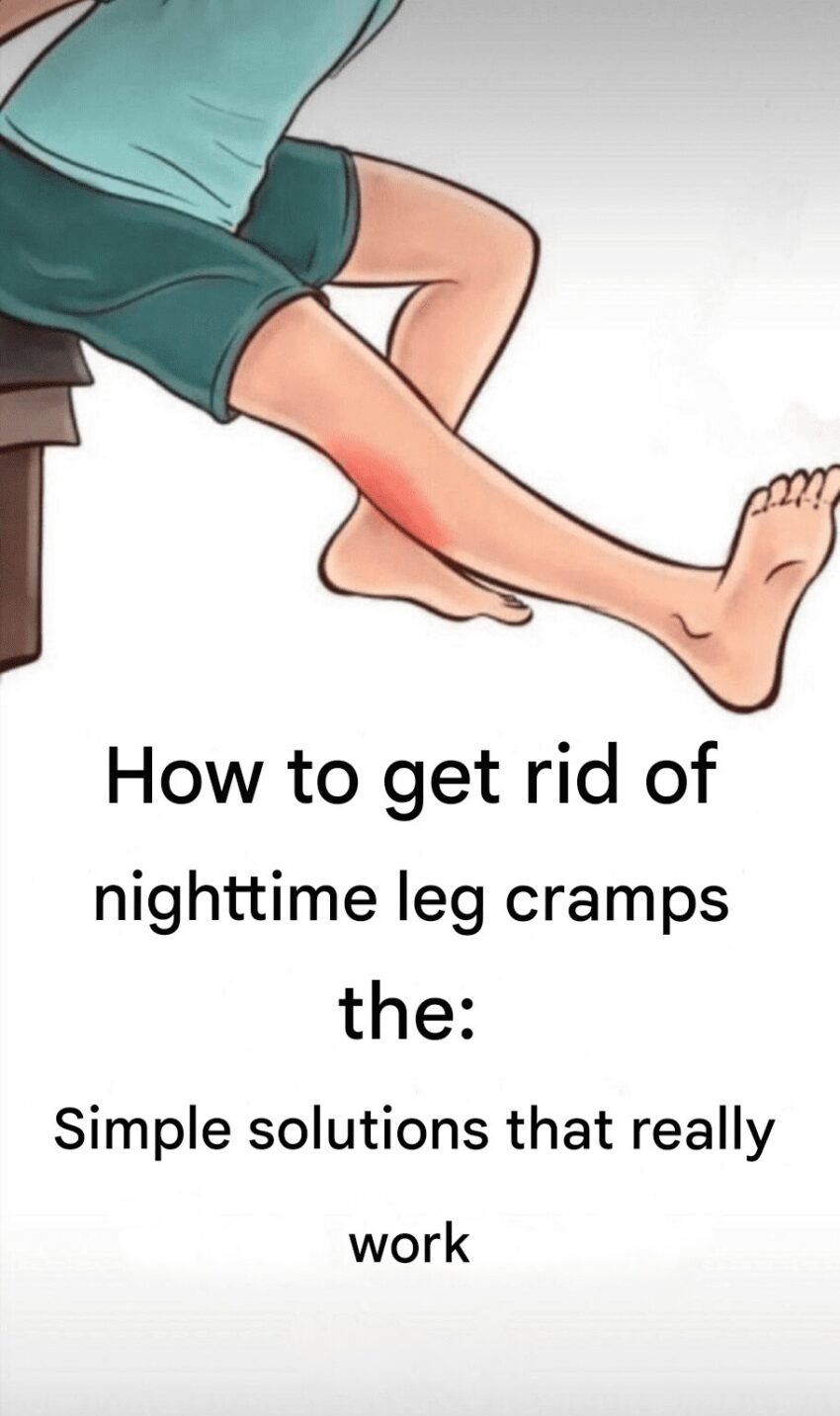
How to Get Rid of Nighttime Leg Cramps: Simple Solutions That Really Work
Nighttime leg cramps are sudden, painful muscle contractions that often strike the calves, thighs, or feet while you’re sleeping. They can disrupt rest and leave lingering soreness. Understanding the causes and applying simple remedies can help prevent and relieve these cramps.
Common Causes of Nighttime Leg Cramps
- Dehydration
- Lack of fluids can trigger muscle contractions.
- Electrolyte Imbalance
- Low levels of magnesium, potassium, or calcium affect muscle function.
- Overuse or Fatigue
- Long periods of standing, walking, or strenuous exercise during the day can lead to cramps at night.
- Poor Circulation
- Restricted blood flow to the legs can trigger spasms.
- Medical Conditions and Medications
- Conditions such as diabetes, peripheral artery disease, or nerve disorders.
- Some diuretics, statins, or blood pressure medications may contribute.
Simple Solutions to Prevent Nighttime Leg Cramps
1. Stretch Before Bed
- Gentle calf and thigh stretches can relax muscles.
- Example: Stand facing a wall, place hands on the wall, step one leg back, and press the heel down for 20–30 seconds.
2. Stay Hydrated
- Drink water throughout the day and before bedtime.
- Include electrolyte-rich drinks if you sweat heavily during exercise.
3. Massage and Warm Compress
- Massage the affected muscle gently to improve blood flow.
- Apply a warm towel or heating pad to relax tight muscles.
4. Maintain Proper Electrolyte Levels
- Eat foods rich in magnesium (nuts, seeds), potassium (bananas, sweet potatoes), and calcium (dairy, leafy greens).
- Consider a supplement if advised by a doctor.
5. Adjust Sleeping Position
- Avoid pointing toes downward while sleeping; try keeping legs slightly bent or elevated.
- Sleeping on your back with a pillow under the knees may reduce tension.
6. Footwear and Exercise
- Wear supportive shoes during the day.
- Engage in low-impact exercise like swimming or walking to improve circulation.
When to See a Doctor
Seek professional advice if:
- Leg cramps are severe, frequent, or worsening.
- Accompanied by swelling, redness, or numbness.
- You have underlying conditions like diabetes or circulation problems.
Conclusion
Nighttime leg cramps can be painful but are often preventable with simple lifestyle changes such as stretching, hydration, electrolyte balance, and proper sleeping posture. By implementing these strategies, you can enjoy uninterrupted sleep and healthier muscles.
If you want, I can also make a “7 Quick Nighttime Stretches to Prevent Leg Cramps” guide that’s easy to follow before bed.
Do you want me to make that guide?