This Is Why We Get Cramps at Night
Introduction
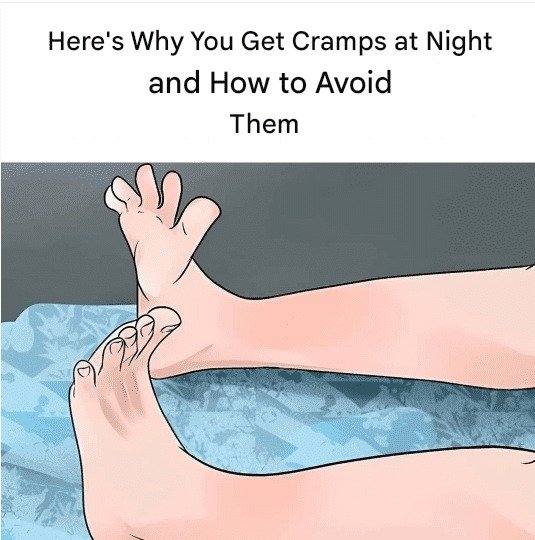
Nighttime leg cramps are sudden, involuntary contractions of muscles—most commonly in the calves, feet, or thighs. They can be painful and disrupt sleep, leaving many people wondering why they happen.
Common Causes of Night Cramps
- Dehydration
- Lack of fluids can make muscles more prone to involuntary contractions.
- Drinking enough water throughout the day can help prevent cramps at night.
- Electrolyte Imbalance
- Low levels of magnesium, potassium, calcium, or sodium can trigger cramps.
- These minerals are essential for proper muscle function and nerve signaling.
- Muscle Fatigue or Overuse
- Overworking muscles during the day—through exercise, standing, or walking—can increase nighttime cramping.
- Poor Circulation
- Reduced blood flow to the legs during rest or sleep can lead to cramps.
- People with circulation issues or peripheral artery disease may experience more frequent cramps.
- Nerve Compression or Medical Conditions
- Conditions like spinal nerve compression, diabetes, or thyroid disorders can contribute to leg cramps.
- Medications
- Some medications, including diuretics, statins, or certain blood pressure drugs, may increase the likelihood of cramps.
How to Prevent Night Cramps
- Stretch Before Bed: Calf and hamstring stretches can relax muscles.
- Stay Hydrated: Drink water throughout the day and consider electrolyte-rich drinks if needed.
- Maintain Balanced Nutrition: Ensure adequate intake of magnesium, potassium, and calcium.
- Avoid Excessive Strain: Moderate exercise and avoid overworking leg muscles late in the day.
- Supportive Sleep Position: Avoid sleeping with your toes pointed downward; keeping them flexed slightly can help.
Quick Relief During a Cramp
- Stretch the Muscle: Stand up and stretch your calf or flex your foot upward.
- Massage: Gently rub the affected muscle.
- Apply Heat or Cold: A warm towel or heating pad relaxes the muscle; ice may reduce soreness afterward.
Conclusion
Nighttime leg cramps are usually harmless but can be uncomfortable and disrupt sleep. Staying hydrated, stretching, and maintaining a balanced diet can significantly reduce their frequency and intensity. Persistent or severe cramps should be discussed with a healthcare professional to rule out underlying conditions.
If you want, I can also make a list of 5 natural remedies that prevent night cramps using simple home ingredients.