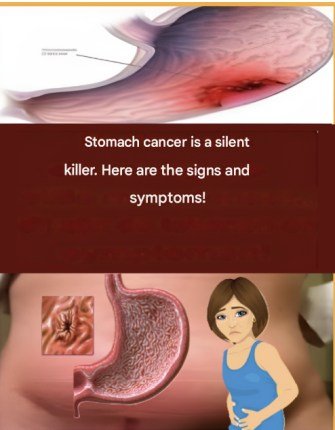
Stomach cancer: the “silent killer”
Stomach (gastric) cancer is often called a silent killer because it can grow for years with few or vague symptoms. By the time clear warning signs appear, the disease is frequently at an advanced stage, making treatment more difficult.
Why it’s “silent”
Early symptoms are usually mild and nonspecific, such as:
- Indigestion or heartburn
- Bloating after meals
- Mild nausea or loss of appetite
- Feeling full quickly
These are easy to dismiss or confuse with common digestive problems. As a result, many people don’t seek medical care early.
Symptoms that appear later
When the cancer progresses, symptoms may include:
- Persistent stomach pain
- Unexplained weight loss
- Difficulty swallowing
- Vomiting (sometimes with blood)
- Black or tarry stools
- Fatigue due to anemia
At this stage, the cancer may have already spread.
Major risk factors
- Helicobacter pylori (H. pylori) infection
- Diet high in salty, smoked, or preserved foods
- Smoking and heavy alcohol use
- Family history of stomach cancer
- Chronic gastritis or stomach ulcers
- Older age and male sex
Why early detection matters
When detected early, stomach cancer can often be treated effectively with surgery and other therapies. Survival rates drop significantly once the disease spreads beyond the stomach.
What can help reduce risk
- Treating H. pylori infections
- Eating a diet rich in fruits and vegetables
- Reducing smoked, salted, and processed foods
- Avoiding smoking
- Seeking medical advice for persistent digestive symptoms
Bottom line:
Stomach cancer is dangerous not because it is always aggressive, but because it often hides in plain sight. Awareness of risk factors and attention to ongoing digestive symptoms can save lives.
If you’d like, I can also help you turn this into an awareness article, speech, poster text, or patient-education material.