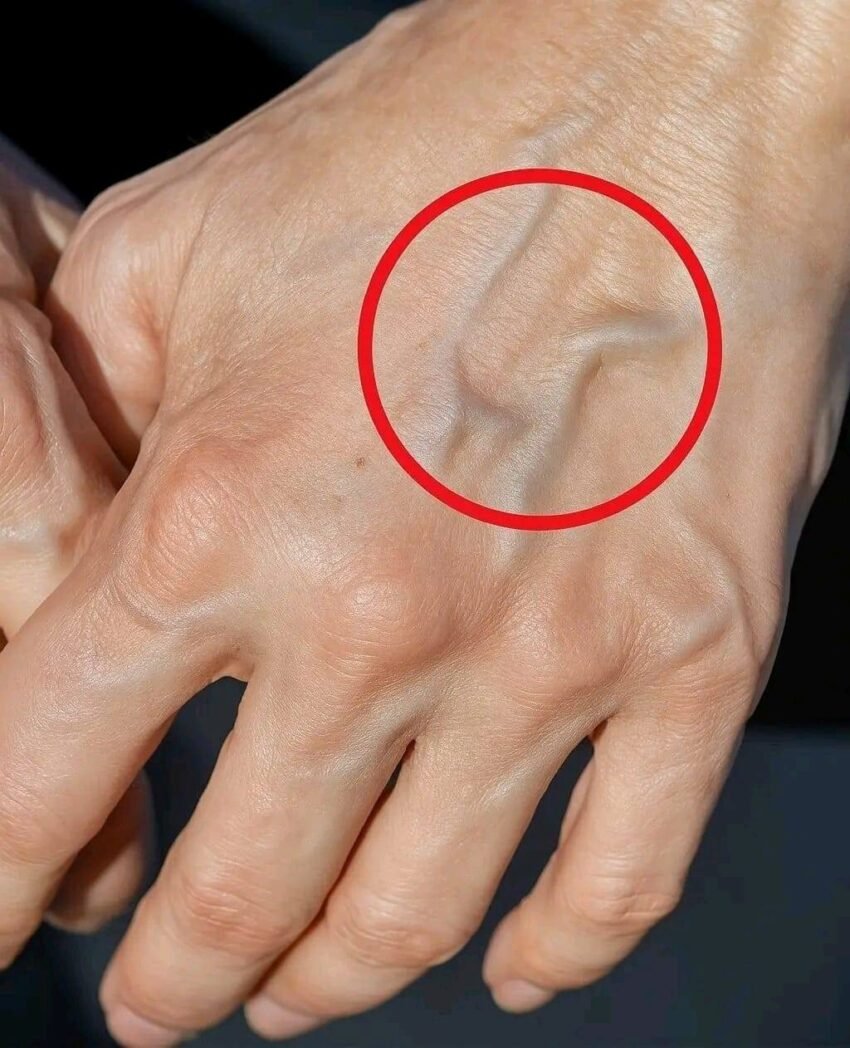
Visible Veins: What They Mean and Why You Might See Them
Visible veins are common and usually harmless. Many people notice veins on their hands, arms, legs, or chest becoming more noticeable at different times in their lives. In most cases, this happens because of natural changes in the body rather than a medical problem. Understanding why veins become visible can help you determine whether it is normal or something that may need medical attention.
What Are Veins?
Veins are blood vessels that carry blood back to the heart after oxygen has been delivered to the body’s tissues. They are located throughout the body, but some lie closer to the surface of the skin. When veins are closer to the skin or the surrounding tissue becomes thinner, they may appear more visible.
Common Reasons for Visible Veins
Low Body Fat
People with lower body fat often have more visible veins. Fat under the skin normally acts as a layer that hides blood vessels. When this layer becomes thinner, veins can be seen more easily, especially in areas like the arms, hands, and legs.
Exercise and Physical Activity
During exercise, muscles require more oxygen, causing blood flow to increase. This increased circulation can make veins temporarily appear larger and more prominent. Athletes and people who regularly work out often have more noticeable veins due to improved blood flow and muscle development.
Aging
As people age, the skin naturally becomes thinner and loses some of its elasticity. This change makes the veins beneath the skin easier to see. Aging can also cause the valves inside veins to weaken slightly, which may contribute to their appearance.
Genetics
Some individuals simply inherit a tendency to have more visible veins. If other members of your family have prominent veins, you may notice the same feature.
Heat and Warm Temperatures
Warm temperatures cause blood vessels to expand to help the body cool down. This expansion can make veins appear larger and more visible.
Hormonal Changes
Hormonal fluctuations during pregnancy, puberty, or other life stages may also affect circulation and vein visibility.
When Visible Veins Could Be a Medical Concern
Although visible veins are usually normal, there are certain situations where they might indicate an underlying issue. Examples include:
- Varicose veins, which are enlarged, twisted veins often seen in the legs
- Chronic venous insufficiency, where veins have difficulty sending blood back to the heart
- Sudden swelling, pain, or redness around a vein
- A vein that feels hard or unusually warm
If visible veins appear suddenly or are accompanied by pain or swelling, it is advisable to consult a healthcare professional.
Ways to Support Healthy Veins
Maintaining good circulation can help keep veins healthy. Some helpful habits include:
- Regular physical activity
- Maintaining a healthy weight
- Avoiding long periods of sitting or standing
- Staying hydrated
- Elevating the legs occasionally to support blood flow
Conclusion
Visible veins are often a natural part of the body and can appear due to factors such as low body fat, exercise, aging, or genetics. In most cases, they are not a cause for concern. However, if visible veins are accompanied by discomfort, swelling, or sudden changes, seeking medical advice can help rule out any underlying health conditions.