Early Menopause: 10 Signs (and More) to Watch Out
Early menopause happens when menopause occurs before age 45. If it occurs before age 40, it’s called Primary ovarian insufficiency (POI).
Menopause is officially diagnosed after 12 consecutive months without a period.
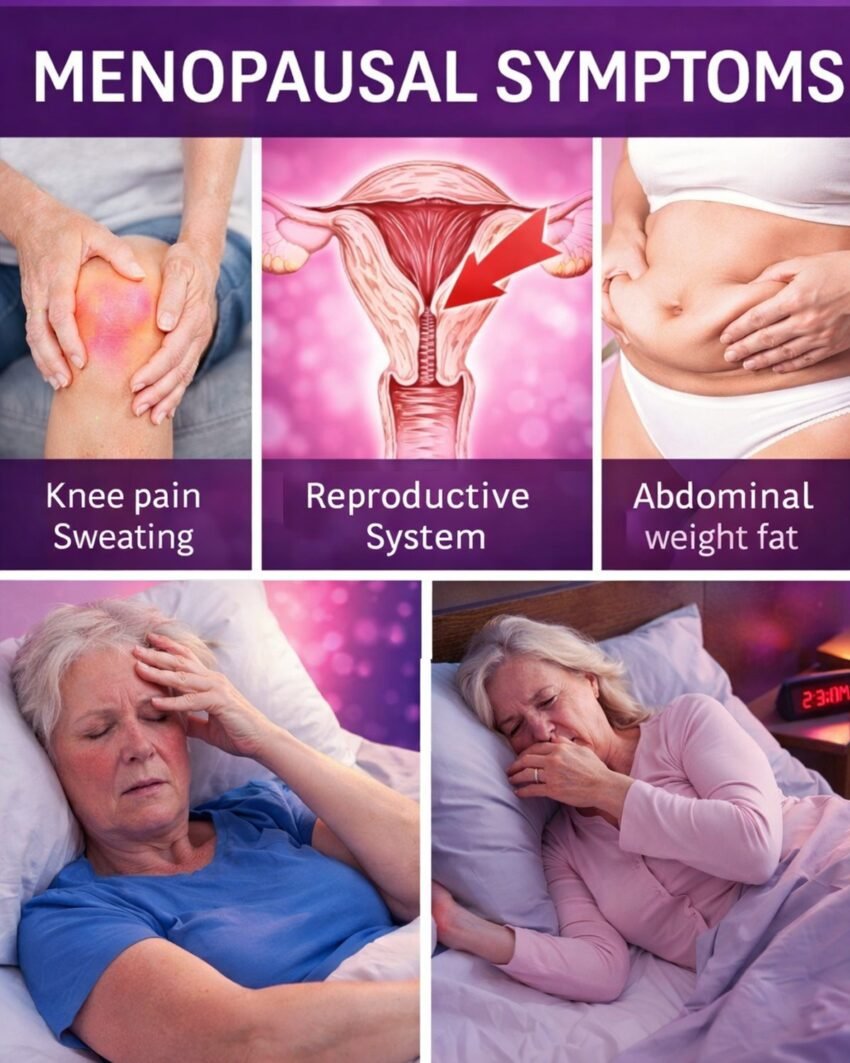
🔟 Common Signs of Early Menopause
- Irregular periods
Cycles may become shorter, longer, heavier, lighter, or skip months. - Hot flashes
Sudden warmth in the face, neck, and chest, often with sweating. - Night sweats
Intense sweating during sleep that may disturb rest. - Vaginal dryness
Can cause discomfort, itching, or pain during intimacy. - Mood changes
Irritability, anxiety, low mood, or increased emotional sensitivity. - Sleep problems
Trouble falling or staying asleep. - Lower libido
Reduced interest in sex. - Brain fog
Difficulty concentrating or memory lapses. - Weight changes
Especially increased abdominal fat. - Breast tenderness or changes
Other Possible Symptoms
- Joint and muscle aches
- Dry skin or thinning hair
- Urinary urgency or frequent UTIs
- Fatigue
- Headaches
- Heart palpitations
Why Early Menopause Happens
Common causes include:
- Family history
- Autoimmune conditions
- Cancer treatments (chemotherapy/radiation)
- Surgical removal of ovaries
- Smoking
- Certain genetic conditions
Sometimes, no clear cause is found.
Why It Matters
Early menopause can increase long-term risks for:
- Osteoporosis (bone thinning)
- Heart disease
- Cognitive changes
- Fertility challenges
Because estrogen drops earlier than expected, doctors often recommend treatment to protect long-term health — especially bone and heart health.
When to See a Doctor
You should speak to a healthcare provider if:
- You’re under 45 and notice significant cycle changes.
- You’ve missed 3 or more periods.
- You have intense hot flashes affecting daily life.
- You’re trying to conceive without success.
Blood tests (like FSH and estrogen levels) can help with diagnosis.
If you’d like, I can also explain:
- How early menopause differs from perimenopause
- Natural vs. medical treatment options
- Fertility options after early menopause
- Lifestyle changes that help with symptoms
Let me know what would be most helpful for you.