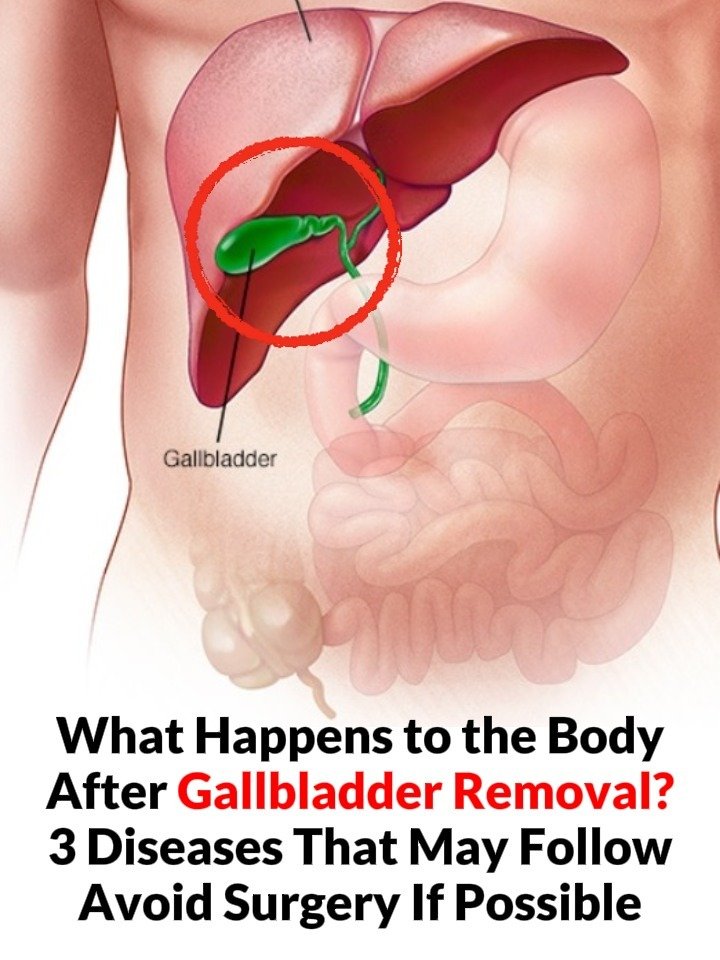
Gallbladder removal (called a Cholecystectomy) is one of the most common surgeries worldwide. It’s usually done for painful gallstones or infection.
First, an important reality:
For people with severe gallstones, infection, or repeated attacks, surgery is often the safest option. Avoiding it when it’s medically necessary can be dangerous.
That said, removing the gallbladder does change how your digestive system works.
🧠 What the Gallbladder Does
The gallbladder stores bile (made by the liver) and releases it in concentrated bursts to help digest fats.
After removal:
- Bile drips continuously into the intestine instead of being stored.
- Fat digestion can be less efficient.
- Some people develop digestive symptoms.
What Can Happen After Gallbladder Removal?
Most people do fine. But some experience longer-term effects.
1️⃣ Bile Acid Diarrhea
Because bile flows continuously, it can irritate the colon.
Symptoms:
- Urgent loose stools
- Diarrhea after fatty meals
- Bloating
This is sometimes called post-cholecystectomy diarrhea and is usually manageable.
2️⃣ Increased Risk of Fatty Liver Disease
Some studies suggest a higher risk of Nonalcoholic fatty liver disease after gallbladder removal, possibly due to changes in bile metabolism and fat processing.
Risk is higher if you already have:
- Obesity
- Insulin resistance
- High triglycerides
Lifestyle plays a major role here.
3️⃣ Changes in Gut Microbiome & Metabolic Issues
Altered bile flow may affect:
- Gut bacteria balance
- Cholesterol metabolism
- Blood sugar control
There’s some association with increased metabolic syndrome risk, but it’s not guaranteed.
🚨 When Surgery Is Truly Necessary
Avoiding surgery is NOT safe if you have:
- Recurrent gallbladder attacks
- Gallbladder infection
- Pancreatitis from gallstones
- Blocked bile duct
Delaying care can lead to life-threatening complications.
How to Reduce Problems After Gallbladder Removal
If you’ve had surgery (or are preparing for it):
✔ Eat smaller, lower-fat meals at first
✔ Gradually reintroduce healthy fats
✔ Increase soluble fiber (oats, chia, psyllium)
✔ Maintain a healthy weight
✔ Limit ultra-processed foods
✔ Stay active
Bottom Line
Gallbladder removal doesn’t “ruin” your health for most people.
But digestion and metabolism can shift — especially if diet and lifestyle aren’t optimized.
If you’d like, tell me:
- Are you considering surgery?
- Have you already had it?
- What symptoms are you experiencing?