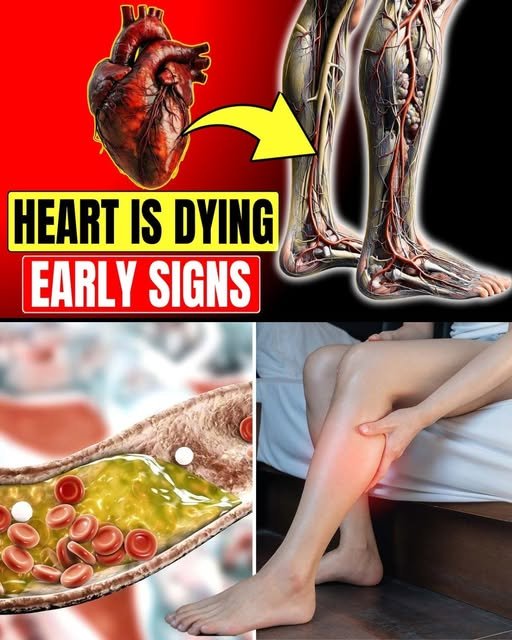
10 Warning Signs of Blocked Heart Arteries in Legs and Feet
Don’t Ignore These Signals
Blocked arteries in the legs and feet are usually caused by Peripheral Artery Disease (PAD) — a condition where plaque builds up in the arteries and reduces blood flow to the limbs. PAD is often linked to atherosclerosis, the same process that can lead to heart attack and stroke.
Because PAD can progress silently, recognizing early warning signs is critical.
1. Leg Pain While Walking (Claudication)
One of the most common symptoms is cramping, tightness, or aching in the calves, thighs, or buttocks during walking that improves with rest.
If pain consistently appears with activity and disappears when you stop, it should be evaluated.
2. Cold Feet or Lower Legs
Reduced blood flow can make one foot or leg feel noticeably colder than the other.
3. Numbness or Weakness
Poor circulation may cause tingling, numbness, or weakness in the legs or feet.
4. Slow-Healing Wounds
Sores or cuts on the toes, feet, or legs that heal very slowly — or not at all — can signal poor circulation.
5. Shiny Skin on the Legs
Skin may appear smooth, shiny, or thin due to reduced oxygen supply.
6. Hair Loss on Legs or Feet
Decreased blood flow can lead to reduced hair growth on affected areas.
7. Weak or Absent Pulse in the Feet
Healthcare providers often check pulses in the feet. A weak pulse may indicate narrowed arteries.
8. Discoloration of Toes or Feet
Pale, bluish, or darkened skin may suggest inadequate blood flow.
9. Thickened or Slow-Growing Toenails
Circulation problems can affect nail growth and thickness.
10. Pain at Rest (Advanced Stage)
In more severe cases, burning or aching pain may occur even while resting, especially at night. This requires urgent medical attention.
Who Is at Higher Risk?
You may be at increased risk if you have:
- Diabetes
- High blood pressure
- High cholesterol
- A history of smoking
- Obesity
- A family history of cardiovascular disease
- Age over 60
Why This Matters
Peripheral Artery Disease is not just a leg problem. It is often a sign of widespread atherosclerosis, meaning arteries elsewhere — including those supplying the heart and brain — may also be affected.
Early detection can prevent:
- Heart attack
- Stroke
- Severe limb damage
- Amputation
When to See a Doctor
Seek medical care if you experience:
- Persistent leg pain when walking
- Non-healing foot wounds
- Sudden coldness or color changes in a limb
- Severe rest pain
A simple test called the ankle-brachial index (ABI) can help diagnose PAD.
Final Thoughts
Blocked arteries in the legs and feet often develop gradually, and symptoms may be mild at first. Do not ignore recurring leg pain, slow-healing sores, or unusual changes in your feet.
Early treatment, lifestyle changes, and proper medical care can significantly reduce complications and protect your overall cardiovascular health.