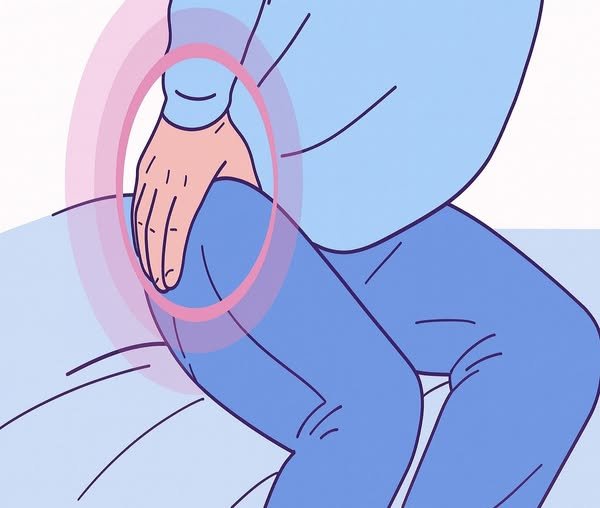
Hip pain is common, especially as people age, but it doesn’t always have a single cause. While social media headlines may claim it’s a “clear sign” of a serious condition, the truth is that hip pain can result from several factors—some minor, some serious.
Here’s a detailed look:
Common Causes of Hip Pain
1. Osteoarthritis
- The most common cause in older adults.
- Symptoms include stiffness, reduced range of motion, and pain that worsens with activity.
2. Muscle Strain or Tendonitis
- Overuse or injury can strain hip muscles or tendons.
- Pain is usually localized and worsens with movement.
3. Bursitis
- Inflammation of the fluid-filled sacs (bursae) in the hip.
- Pain is often on the outer hip and may worsen at night or when lying on that side.
4. Hip Fracture or Injury
- More common in seniors or people with osteoporosis.
- Sudden pain after a fall or minor trauma should be evaluated immediately.
5. Referred Pain from the Lower Back or Spine
- Nerve compression in the lumbar spine can cause pain that radiates to the hip.
- Often associated with numbness or tingling down the leg.
6. Inflammatory Conditions
- Rheumatoid arthritis, gout, or other inflammatory diseases can cause hip pain.
- Usually accompanied by swelling, warmth, or systemic symptoms.
7. Infection
- Hip joint infections (septic arthritis) are rare but serious.
- Symptoms include severe pain, fever, and inability to move the hip.
When Hip Pain Is a Warning Sign
Seek medical attention immediately if you notice:
- Sudden severe pain after trauma
- Inability to bear weight or walk
- Swelling, redness, or warmth around the joint
- Fever, chills, or other signs of infection
- Pain radiating down the leg with numbness or weakness
Tips for Managing Mild Hip Pain at Home
- Rest and avoid activities that worsen pain
- Apply ice or heat depending on the cause
- Gentle stretching or low-impact exercises (like swimming)
- Over-the-counter pain relievers if safe for you
Bottom Line
Hip pain can result from arthritis, injury, muscle strain, nerve issues, or infection. While some causes are minor, others require prompt medical attention. Persistent or severe hip pain should never be ignored, especially in older adults or those with underlying health conditions.
I can also create a quick guide to differentiate hip pain causes based on location, severity, and associated symptoms so it’s easier to know when to see a doctor. Do you want me to do that?