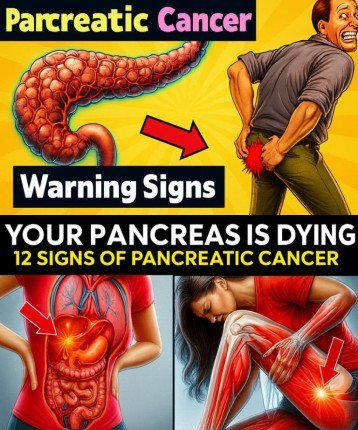
12 Signs of Pancreatic Cancer You Should Never Ignore
Pancreatic cancer is often difficult to detect early because symptoms can be vague at first. However, recognizing persistent warning signs can lead to earlier diagnosis and better outcomes.
Pancreatic cancer occurs in the tissues of the pancreas, an organ that helps regulate blood sugar and aids digestion.
Below are important symptoms that should not be ignored.
1. Yellowing of the Skin or Eyes (Jaundice)
Jaundice occurs when a tumor blocks the bile duct, causing bilirubin to build up in the body. Signs may include:
- Yellow skin or eyes
- Dark urine
- Pale or greasy stools
- Itchy skin
2. Unexplained Weight Loss
Sudden, unintentional weight loss without changes in diet or exercise can be an early sign.
3. Upper Abdominal Pain
Persistent pain in the upper abdomen that may radiate to the back is common. The pain may worsen after eating or when lying down.
4. Loss of Appetite
A noticeable decrease in appetite or feeling full quickly can occur.
5. New-Onset Diabetes
Developing diabetes unexpectedly — especially after age 50 — can sometimes be linked to pancreatic cancer, particularly when accompanied by weight loss.
6. Nausea and Vomiting
Tumors pressing on the stomach may interfere with digestion, leading to nausea or vomiting.
7. Changes in Stool
Oily, floating, foul-smelling stools (steatorrhea) may occur when the pancreas cannot produce enough digestive enzymes.
8. Fatigue
Persistent and unexplained fatigue that does not improve with rest can be a warning sign.
9. Blood Clots
Some people develop unexplained blood clots, a condition known as Trousseau syndrome, which can be associated with pancreatic cancer.
10. Enlarged Gallbladder
A blocked bile duct may cause the gallbladder to enlarge. This is sometimes detected during a physical exam or imaging test.
11. Back Pain
Pain that begins in the abdomen and spreads to the mid or lower back can occur as the tumor grows.
12. Digestive Problems
Indigestion, bloating, and difficulty digesting fatty foods may develop due to reduced pancreatic enzyme production.
Who Is at Higher Risk?
Risk factors include:
- Smoking
- Obesity
- Chronic pancreatitis
- Family history of pancreatic cancer
- Certain genetic conditions
- Long-standing diabetes
When to See a Doctor
Seek medical evaluation if you experience:
- Persistent abdominal or back pain
- Jaundice
- Sudden unexplained weight loss
- Ongoing digestive problems
Early detection is challenging but critical. If you are at higher risk or experiencing multiple symptoms, consult a healthcare professional promptly.
If you would like, I can also explain how pancreatic cancer is diagnosed or what screening options may be available for high-risk individuals.