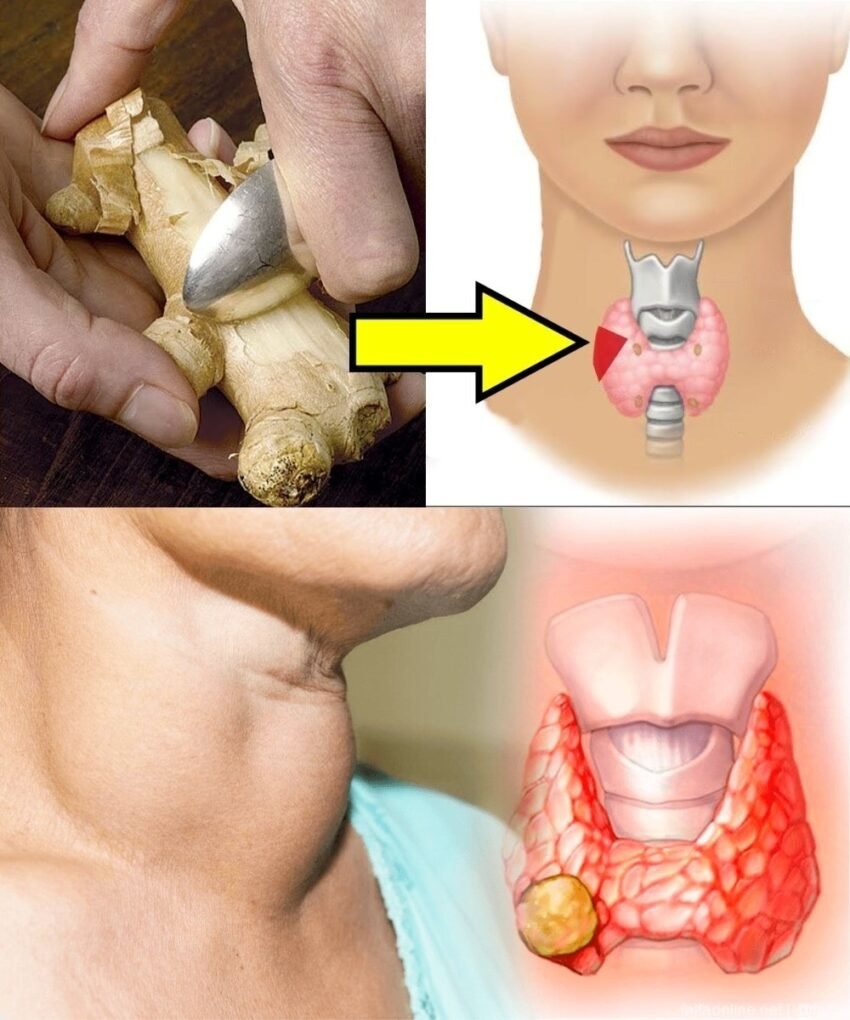
If you have thyroid dysfunction (like Hypothyroidism, Hyperthyroidism, or Hashimoto’s thyroiditis), certain foods can interfere with hormone production, iodine balance, medication absorption, or trigger inflammation.
Here are 19 foods and food categories to limit or avoid, depending on your specific condition:
1. Soy-Based Foods
Soy can interfere with thyroid hormone absorption and medication effectiveness.
Examples: soy milk, tofu, edamame, soy protein isolate.
2. Cruciferous Vegetables (Raw & In Excess)
Contain goitrogens that may interfere with iodine uptake if eaten raw in large amounts.
Examples: broccoli, cabbage, kale, cauliflower, Brussels sprouts.
✔ Cooking reduces this effect significantly.
3. Millet
One of the most goitrogenic grains and may suppress thyroid function if consumed frequently.
4. Highly Processed Foods
Often high in sodium, sugar, and inflammatory oils — not ideal for autoimmune thyroid conditions.
5. Sugary Foods & Drinks
Blood sugar instability stresses the adrenal–thyroid connection and worsens inflammation.
6. Gluten (Especially with Autoimmune Thyroid Disease)
People with Hashimoto’s thyroiditis have higher rates of gluten sensitivity and Celiac disease.
7. Fried Foods
Promote inflammation and can worsen metabolic issues in hypothyroidism.
8. Fast Food
High in unhealthy fats and sodium; may disrupt hormone balance.
9. Artificial Sweeteners (in excess)
Some evidence suggests they may disrupt gut health and immune balance.
10. Excess Fiber (around medication time)
High-fiber cereals or supplements can reduce absorption of thyroid medication.
11. Coffee (near medication time)
Coffee can reduce absorption of levothyroxine if taken too soon after dosing.
12. Alcohol
Can suppress thyroid function and disrupt hormone conversion.
13. Iodine-Excess Foods
Too much iodine can worsen both hypo- and hyperthyroidism.
Examples: seaweed, kelp supplements, iodized salt (in excess).
14. Energy Drinks
High caffeine and sugar can worsen symptoms like palpitations (especially in hyperthyroidism).
15. Organ Meats (in excess)
Very high in certain nutrients (like vitamin A) that can affect thyroid balance if overconsumed.
16. Selenium Supplements (without medical guidance)
Too much selenium can negatively affect thyroid function.
17. Dairy (if sensitive)
Some people with autoimmune thyroid disease experience symptom improvement when reducing dairy.
18. Refined White Flour Products
Blood sugar spikes can worsen fatigue and weight gain.
19. Large Amounts of Raw Spinach or Peaches
Contain mild goitrogens when consumed excessively raw.
Important Notes
✔ Most people do not need to completely eliminate these foods — moderation and proper timing (especially with medication) matter more.
✔ Cooking reduces goitrogenic effects.
✔ Always take thyroid medication on an empty stomach and wait 30–60 minutes before eating.
If you’d like, tell me:
- Which thyroid condition you have
- Whether you’re on medication (like levothyroxine)
- Your main symptoms (fatigue, weight gain, anxiety, hair loss, etc.)
I can tailor this into a more personalized thyroid-friendly food guide for you.